
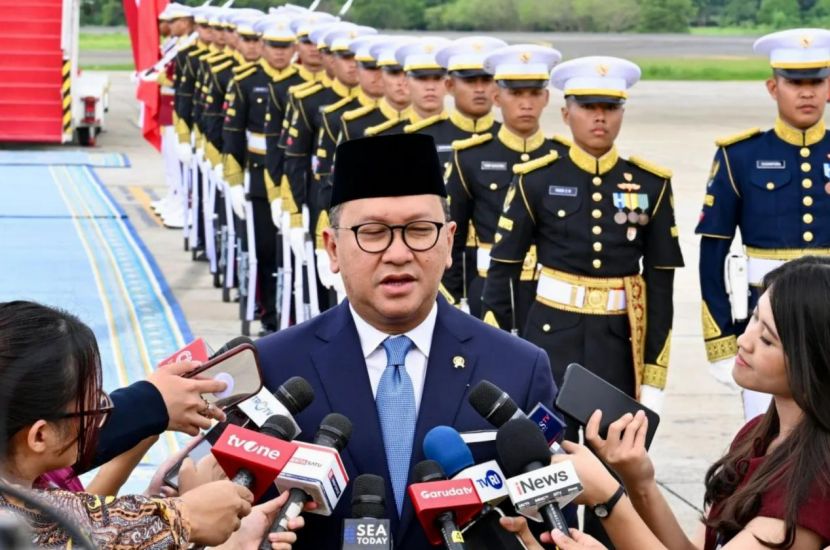
Premier's Visit to Indonesia Launches $10 Billion Investment Projects
The Minister of Investment and Chairman of the Investment Coordinating Board noted that Premier Li Qiang's visit was not merely ceremonial but also brought tangible prospects for cooperation. The $10 billion investment projects previously agreed upon between the two countries have been launched, covering multiple strategic sectors. In addition to ongoing projects, this visit has opened new cooperation opportunities between Indonesia and China in areas such as transportation, industrial cluster development, mineral downstreaming, and chemicals. These new projects are cross-sectoral in nature, involving collaboration among private enterprises, state-owned enterprises, and foreign partners. The Indonesian government emphasized that it will continue to expand economic cooperation with China to strengthen the resilience of its domestic industry and accelerate the downstreaming of natural resources. Regarding foreign policy issues, he stated that Indonesia is primarily focused on deepening a mutually beneficial and win-win bilateral partnership with China.
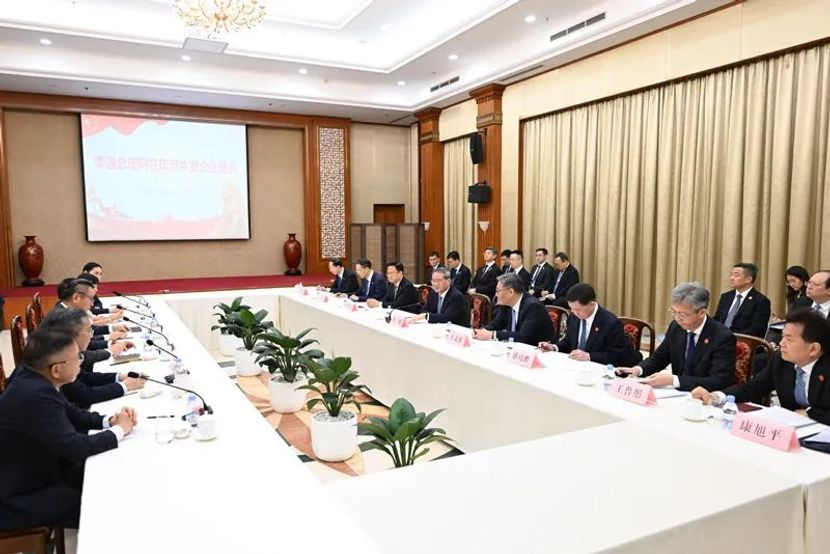
Premier Attends Symposium with Chinese Enterprises in Indonesia
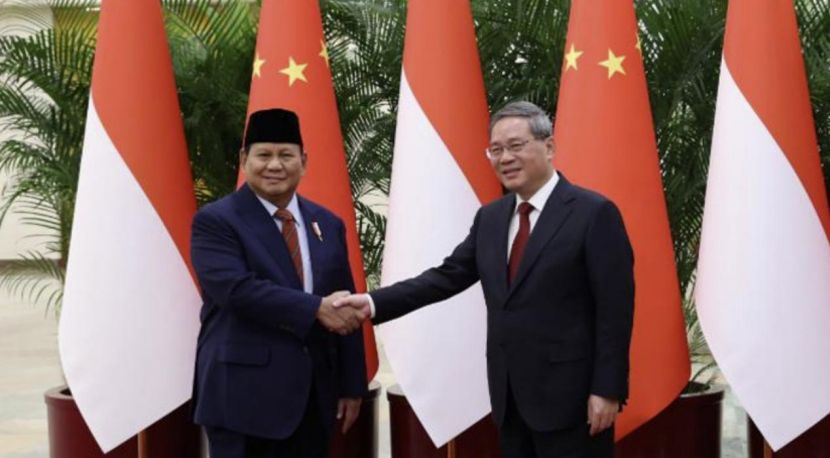
President Prabowo Meets Premier of the State Council Today
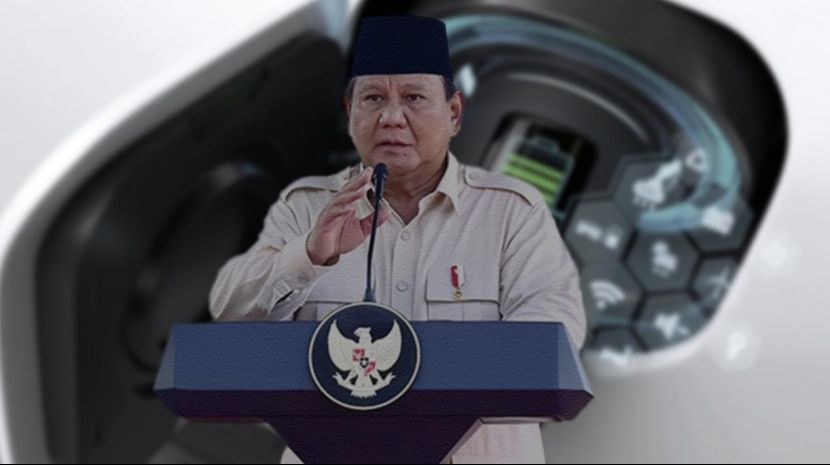
Prabowo Agrees to Let Huayou Take Over Indonesia's Battery Project
Chinese Auto Brands See Growth in Indonesia Despite April Market Downturn
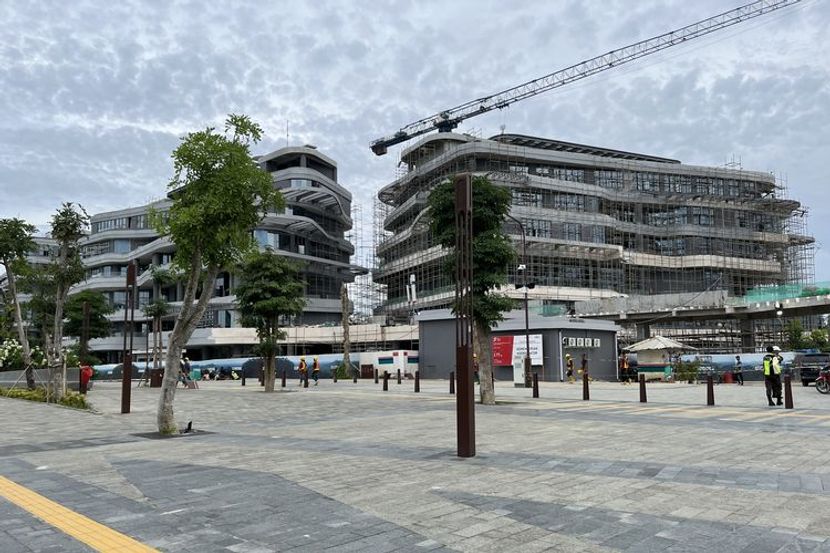
Low Land Prices in Indonesia's New Capital Attract Investment
For investors and potential property owners, land prices in the new capital (IKN) are currently very attractive, being in a "super affordable" state. As IKN's development enters its second phase in 2025, the focus shifts to residential and office complex construction. According to the head of the IKN authority, land prices in IKN are far lower than in other major cities, ranging from IDR 100,000 to IDR 800,000 per square meter depending on location and zone, with main roads and areas near the presidential palace commanding the highest prices. This relatively low land price serves as a strong investment draw. Moreover, as a national strategic project, IKN has full support from the central government. With key infrastructure improvements and rising investment enthusiasm, future land value appreciation potential is enormous, possibly even surpassing other major cities. He emphasized that the IKN authority welcomes investors, especially members of the Indonesian Real Estate Association, to participate in construction, offering investment opportunities in commercial housing, food centers, lifestyle centers, and tourism projects — not just land sales, but investment contributions are needed. In short, IKN's current land price advantage is significant, and its investment prospects are widely optimistic.
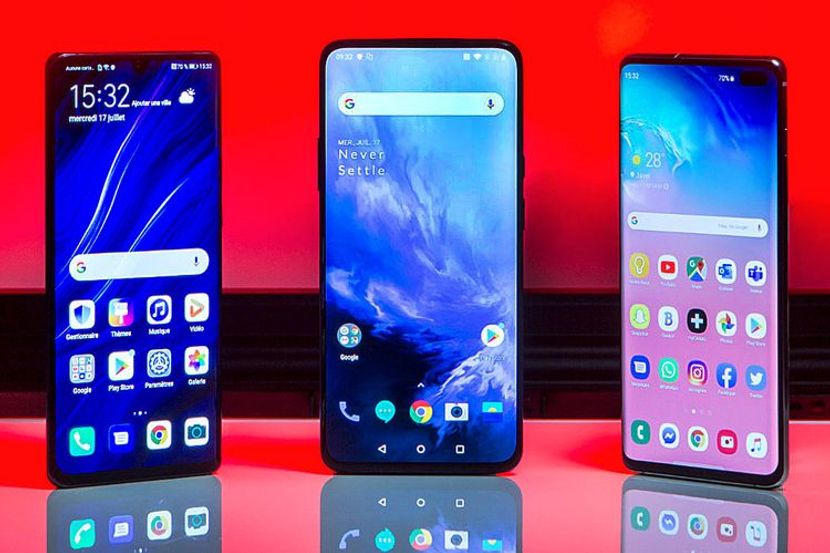
Chinese Brands Dominate Indonesia's Smartphone Market in Q1
Market research firm released the top five smartphone brands in Indonesia for the first quarter of 2025. Xiaomi led with a 19.5% market share, followed by Transsion (17.4%), Oppo (16.5%), Samsung (16%), and Vivo (15.7%). Smartphone shipments for the quarter totaled 8.6 million units, down from 9.1 million in the same period last year. Phones priced under US$100 (approximately IDR 1.6 million) saw a sharp 35% increase, driven mainly by significant discounts from many brands, while phones priced between US$100 and US$199 (approximately IDR 3.
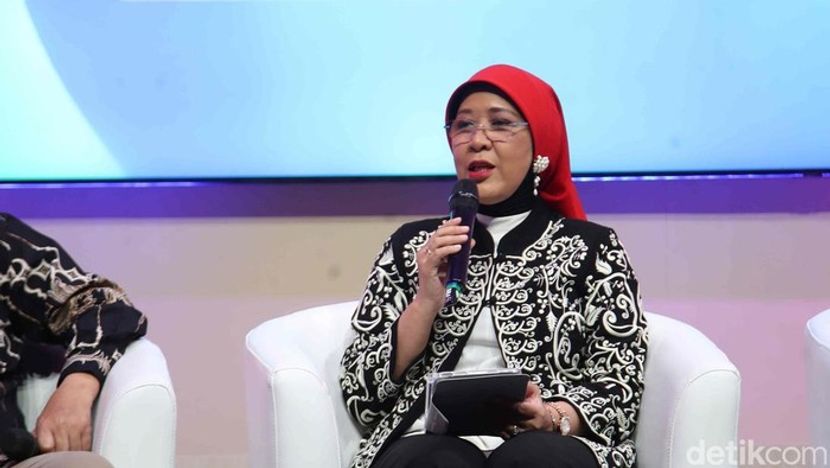
Morowali Industrial Park Delivers Significant Economic and Social Benefits, Generating US$15.4 Billion in Export Earnings
As a nickel processing hub, the Morowali Industrial Park (IMIP) has successfully attracted substantial foreign investment. From 2015 to 2024, investment reached US$34.3 billion (approximately IDR 562.52 trillion), with export earnings of US$15.4 billion (approximately IDR 252.56 trillion). Numerous enterprises from China, Australia, India, Japan, South Korea, and other countries have established operations there. Currently, 51 tenants are in production, covering three industry clusters: stainless steel, carbon steel, and electric vehicle battery raw materials. The park has created significant local employment, employing 85,000 Indonesian workers, primarily from the Sulawesi region.
China and Indonesia Advance Cooperation in the Renewable Energy Sector
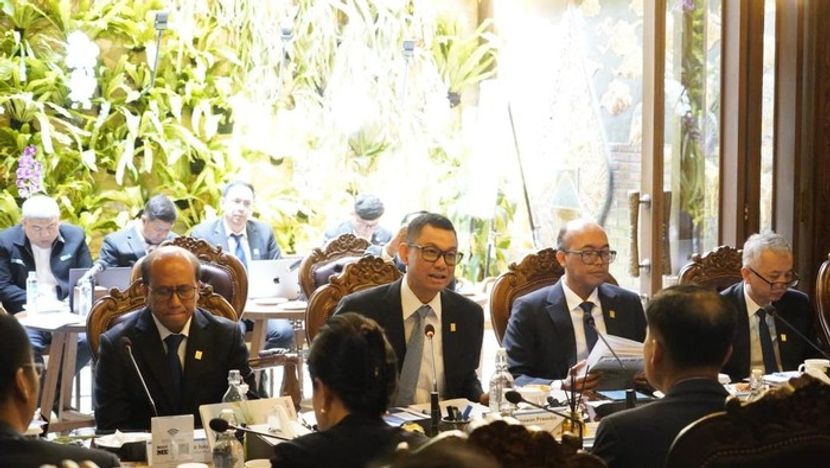
PT PLN Enjiniring, a subsidiary of Indonesia's state electricity company PT PLN (Persero), has entered into a cross-border cooperation with the China Electric Power Planning & Engineering Institute to strengthen Indonesia's national power system, accelerate energy transition, and promote environmentally friendly technology development. The two parties formalized the partnership by signing a Memorandum of Understanding. The President Director of PLN stated that this collaboration is a concrete step to promote the utilization of new and renewable energy in Indonesia and is crucial for ensuring the application of efficient, modern, and sustainable technologies, highlighting PLN Group's strategic role in the energy transition, including power system planning.
Chinese Short Video App Empowers Indonesia's Rural Revitalization
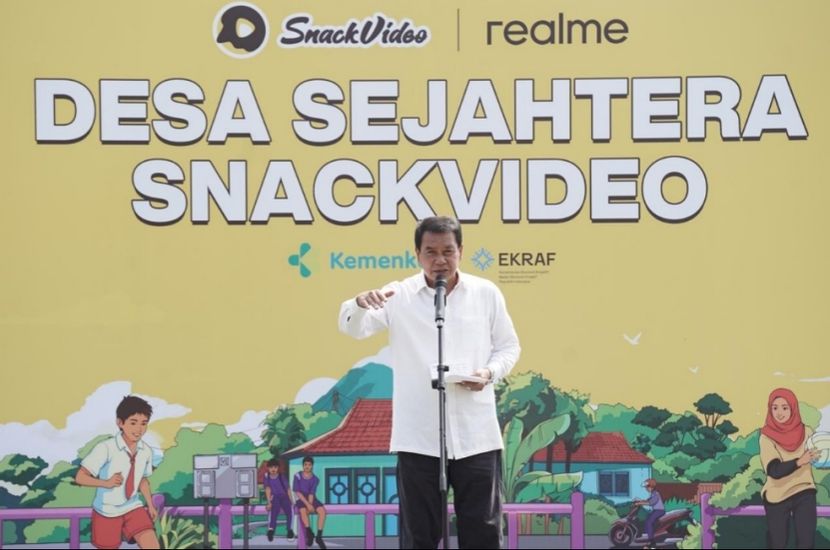
SnackVideo, the short video platform under Kuaishou, recently held a rural community activity in Tangerang City, Banten Province, including the inauguration of a football field and sports hall, as well as a football club exhibition match, youth football competition, lucky draw, and brand interactive experience zone. The company also set up promotion areas for "free medical check-ups" and "digital & AI training" projects. A 6-year-old boy received football equipment and academic support. The event received support from various Indonesian government departments. The local mayor praised it as a benchmark for rural revitalization, creating an "education + health + economy" plan; the Head of the Health Ministry thanked the company for providing sports facilities and promoting the "free medical check-up program"; Kuaishou and SnackVideo representatives stated they will continue to support Indonesia's rural revitalization and called for more social participation. Given the aging condition of local football fields and sports halls, the company proactively renovated the venues, repaired infrastructure, and donated equipment. This activity was the first of a series of public welfare initiatives in 2025. Compared to 2024, the 2025 projects have been comprehensively upgraded with expanded donation scope and added digital and AI skills training. Against the backdrop of prioritizing "rural revitalization" as a key strategy, Kuaishou shared its rural revitalization solutions at a "Digital Leadership Training Class," sparking discussions on empowering Indonesian villages and localized operations, with Indonesian parties calling for introducing relevant experiences. The company, in collaboration with the Ministry of Creative Economy, conducted digital and AI training in schools, covering social media content creation and AI tool usage to boost students' creative enthusiasm, receiving widespread praise, and relevant departments hope it can cover more schools.
Chinese-Funded Battery Company's Indonesia Phase II Project to Start Production This Year
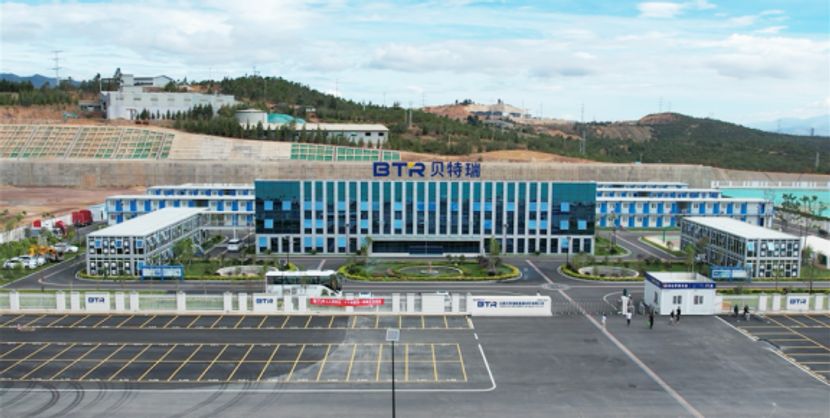
BTR New Material Group has an operational anode material production capacity of 575,000 tons/year. Its Indonesia project with an annual capacity of 80,000 tons of anode material (Phase I) started production in 2024 and is currently ramping up; Phase II is expected to commence production in 2025, bringing Indonesia's total anode material capacity to 160,000 tons/year. Sodium-ion battery capacity is approximately 3,000 tons/year, with both cathode and anode materials receiving customer recognition and achieving bulk shipments. The company is actively advancing construction of overseas bases including Indonesia, choosing Indonesia due to its production factors having minimal differences from domestic ones, and advantages in cost, taxation, raw materials, and transportation. Building overseas factories is key to the globalization strategy, enabling localized supply chains, addressing geopolitical risks, and serving overseas customers. Solid-state batteries represent an important direction for future battery technology, enhancing energy density and safety through electrolyte form innovation, with new application scenarios driving industrialization. Sodium-ion batteries offer advantages in cost, low-temperature performance, and safety, though their cost advantage has diminished due to lithium battery price fluctuations, they still hold application value in specific scenarios. The company is deeply engaged in R&D and industrialization of lithium-ion battery materials with a rich product portfolio covering power batteries, energy storage batteries, and consumer batteries, providing high-performance material solutions to top global battery manufacturers. It holds prominent advantages in lithium-ion battery anode materials, with natural graphite anodes building a complete industrial chain to ensure supply and quality, while artificial graphite anodes achieve cost reduction and efficiency improvement through industrial chain layout and process innovation.
Maximum Three Free Shipping Per Month for Online Shopping in Indonesia
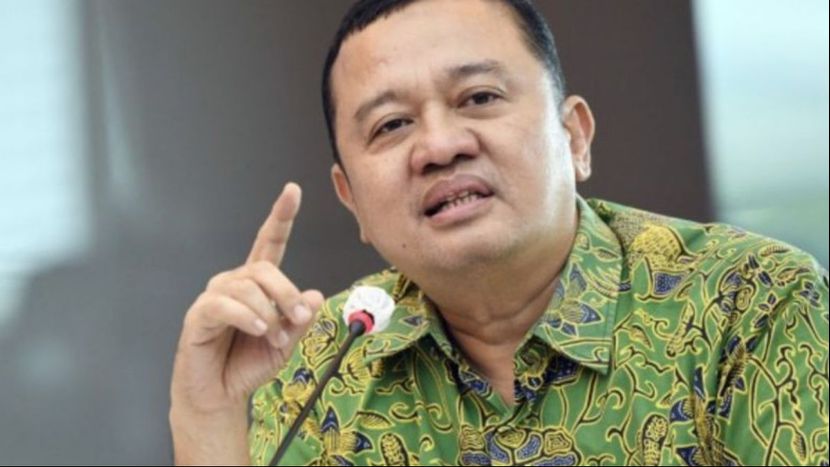
The Ministry of Communication and Information Technology recently issued a regulation limiting free shipping promotions by courier companies to a maximum of 3 days per month, aiming to protect couriers' rights and ensure healthy industry development. The Director General of Digital Ecosystems at the Ministry stated that the policy is designed to build a healthy, sustainable, and fair postal service ecosystem. Continuously and unrestrainedly lowering courier prices harms couriers' welfare; this policy ensures couriers can live decently while promoting the development of logistics enterprises and maintaining economic fairness. The policy only restricts shipping discounts offered by courier companies, not free shipping promotions by e-commerce platforms. Restricted discounts refer to those below the actual delivery cost (including courier fees, intercity transportation fees, sorting fees, and other ancillary service costs). If such discounts persist, it could lead to lower courier income, enterprise losses, and declining service quality. Consumers can still enjoy free shipping services provided by e-commerce platforms every day. If e-commerce platforms use subsidized shipping as a promotional strategy, the Ministry will not intervene. This policy was formulated through dialogue with courier industry practitioners, associations, and other stakeholders, reflecting a balance between market efficiency and worker protection.