


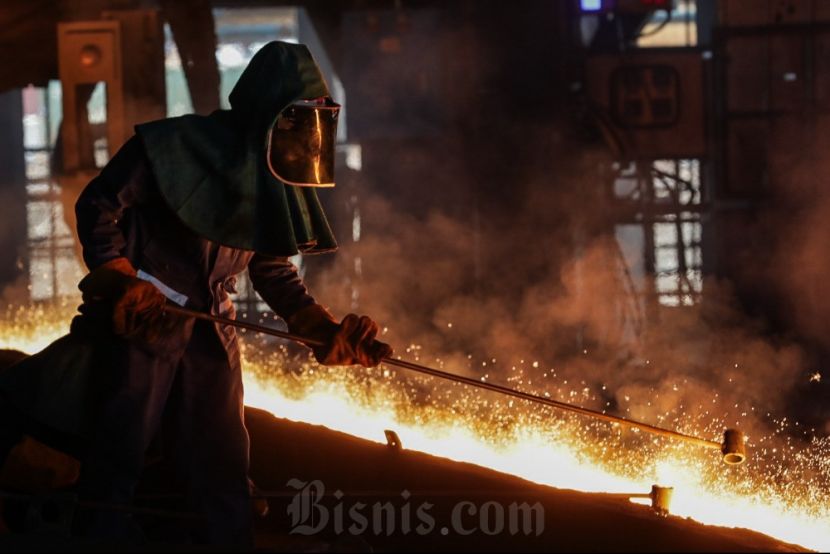
 The United States is pushing Indonesia to limit overcapacity of foreign-invested smelters and ensure equal treatment of industrial park facilities, a move seen as targeting China's dominant investment in Indonesia's critical mineral refining sector. In the trade agreement related to reciprocal tariff reductions between the US and Indonesia, Indonesia has committed to limiting overcapacity of foreign-invested smelters (including nickel, cobalt, bauxite, etc.) and ensuring industrial parks comply with relevant regulations.
The Head of the Industry, Trade, and Investment Center at the Institute for Development of Economics and Finance (Indef) stated that China has long dominated Indonesia's smelting and refining industry for critical minerals such as nickel, and the US is unwilling to see China become the dominant investor in this field in Indonesia.
However, he also noted that US investment in Indonesia's critical mineral industrialization remains limited, with only Freeport Indonesia having a relatively high level of participation in the copper sector. He emphasized that Indonesia treats all investors equally; apart from China, companies from countries such as France are also investing in building industrial parks and nickel projects in Indonesia, demonstrating that Indonesia's investment environment is open to all nations.
He mentioned that the Indonesian government has long used the Annual Work Plan and Budget (RKAB) mechanism to limit capacity, for example, reducing nickel ore production capacity by 30% in 2026. This move is primarily aimed at responding to the global decline in nickel prices and alleviating oversupply, unrelated to US pressure, and is essentially to maintain domestic industrial stability.
Regarding the investment clauses in the agreement, he stated that the non-discrimination principle advocated by the US aligns with Indonesia's policy of opening critical mineral investment. Indonesia has always welcomed investment from all countries, but bans the export of raw materials.
However, he also noted potential contradictions in the agreement: on one hand, it encourages US companies to expand capacity, while on the other hand, it requires foreign-invested smelters to comply with mining quotas. Additionally, the requirement in the agreement for industrial parks to comply with domestic regulations on taxation, environment, and labor has long been stipulated in Indonesian laws. Moreover, the tax incentives (such as tax holidays) provided by the government are equal for investors from all countries, and no special treatment exists.
The United States is pushing Indonesia to limit overcapacity of foreign-invested smelters and ensure equal treatment of industrial park facilities, a move seen as targeting China's dominant investment in Indonesia's critical mineral refining sector. In the trade agreement related to reciprocal tariff reductions between the US and Indonesia, Indonesia has committed to limiting overcapacity of foreign-invested smelters (including nickel, cobalt, bauxite, etc.) and ensuring industrial parks comply with relevant regulations.
The Head of the Industry, Trade, and Investment Center at the Institute for Development of Economics and Finance (Indef) stated that China has long dominated Indonesia's smelting and refining industry for critical minerals such as nickel, and the US is unwilling to see China become the dominant investor in this field in Indonesia.
However, he also noted that US investment in Indonesia's critical mineral industrialization remains limited, with only Freeport Indonesia having a relatively high level of participation in the copper sector. He emphasized that Indonesia treats all investors equally; apart from China, companies from countries such as France are also investing in building industrial parks and nickel projects in Indonesia, demonstrating that Indonesia's investment environment is open to all nations.
He mentioned that the Indonesian government has long used the Annual Work Plan and Budget (RKAB) mechanism to limit capacity, for example, reducing nickel ore production capacity by 30% in 2026. This move is primarily aimed at responding to the global decline in nickel prices and alleviating oversupply, unrelated to US pressure, and is essentially to maintain domestic industrial stability.
Regarding the investment clauses in the agreement, he stated that the non-discrimination principle advocated by the US aligns with Indonesia's policy of opening critical mineral investment. Indonesia has always welcomed investment from all countries, but bans the export of raw materials.
However, he also noted potential contradictions in the agreement: on one hand, it encourages US companies to expand capacity, while on the other hand, it requires foreign-invested smelters to comply with mining quotas. Additionally, the requirement in the agreement for industrial parks to comply with domestic regulations on taxation, environment, and labor has long been stipulated in Indonesian laws. Moreover, the tax incentives (such as tax holidays) provided by the government are equal for investors from all countries, and no special treatment exists.
The United States is pushing Indonesia to limit overcapacity of foreign-invested smelters and ensure equal treatment of industrial park facilities, a move seen as targeting China's dominant investment in Indonesia's critical mineral refining sector. In the trade agreement related to reciprocal tariff reductions between the US and Indonesia, Indonesia has committed to limiting overcapacity of foreign-invested smelters (including nickel, cobalt, bauxite, etc.) and ensuring industrial parks comply with relevant regulations.
The Head of the Industry, Trade, and Investment Center at the Institute for Development of Economics and Finance (Indef) stated that China has long dominated Indonesia's smelting and refining industry for critical minerals such as nickel, and the US is unwilling to see China become the dominant investor in this field in Indonesia.
However, he also noted that US investment in Indonesia's critical mineral industrialization remains limited, with only Freeport Indonesia having a relatively high level of participation in the copper sector. He emphasized that Indonesia treats all investors equally; apart from China, companies from countries such as France are also investing in building industrial parks and nickel projects in Indonesia, demonstrating that Indonesia's investment environment is open to all nations.
He mentioned that the Indonesian government has long used the Annual Work Plan and Budget (RKAB) mechanism to limit capacity, for example, reducing nickel ore production capacity by 30% in 2026. This move is primarily aimed at responding to the global decline in nickel prices and alleviating oversupply, unrelated to US pressure, and is essentially to maintain domestic industrial stability.
Regarding the investment clauses in the agreement, he stated that the non-discrimination principle advocated by the US aligns with Indonesia's policy of opening critical mineral investment. Indonesia has always welcomed investment from all countries, but bans the export of raw materials.
However, he also noted potential contradictions in the agreement: on one hand, it encourages US companies to expand capacity, while on the other hand, it requires foreign-invested smelters to comply with mining quotas. Additionally, the requirement in the agreement for industrial parks to comply with domestic regulations on taxation, environment, and labor has long been stipulated in Indonesian laws. Moreover, the tax incentives (such as tax holidays) provided by the government are equal for investors from all countries, and no special treatment exists.
The United States is pushing Indonesia to limit overcapacity of foreign-invested smelters and ensure equal treatment of industrial park facilities, a move seen as targeting China's dominant investment in Indonesia's critical mineral refining sector. In the trade agreement related to reciprocal tariff reductions between the US and Indonesia, Indonesia has committed to limiting overcapacity of foreign-invested smelters (including nickel, cobalt, bauxite, etc.) and ensuring industrial parks comply with relevant regulations.
The Head of the Industry, Trade, and Investment Center at the Institute for Development of Economics and Finance (Indef) stated that China has long dominated Indonesia's smelting and refining industry for critical minerals such as nickel, and the US is unwilling to see China become the dominant investor in this field in Indonesia.
However, he also noted that US investment in Indonesia's critical mineral industrialization remains limited, with only Freeport Indonesia having a relatively high level of participation in the copper sector. He emphasized that Indonesia treats all investors equally; apart from China, companies from countries such as France are also investing in building industrial parks and nickel projects in Indonesia, demonstrating that Indonesia's investment environment is open to all nations.
He mentioned that the Indonesian government has long used the Annual Work Plan and Budget (RKAB) mechanism to limit capacity, for example, reducing nickel ore production capacity by 30% in 2026. This move is primarily aimed at responding to the global decline in nickel prices and alleviating oversupply, unrelated to US pressure, and is essentially to maintain domestic industrial stability.
Regarding the investment clauses in the agreement, he stated that the non-discrimination principle advocated by the US aligns with Indonesia's policy of opening critical mineral investment. Indonesia has always welcomed investment from all countries, but bans the export of raw materials.
However, he also noted potential contradictions in the agreement: on one hand, it encourages US companies to expand capacity, while on the other hand, it requires foreign-invested smelters to comply with mining quotas. Additionally, the requirement in the agreement for industrial parks to comply with domestic regulations on taxation, environment, and labor has long been stipulated in Indonesian laws. Moreover, the tax incentives (such as tax holidays) provided by the government are equal for investors from all countries, and no special treatment exists.