


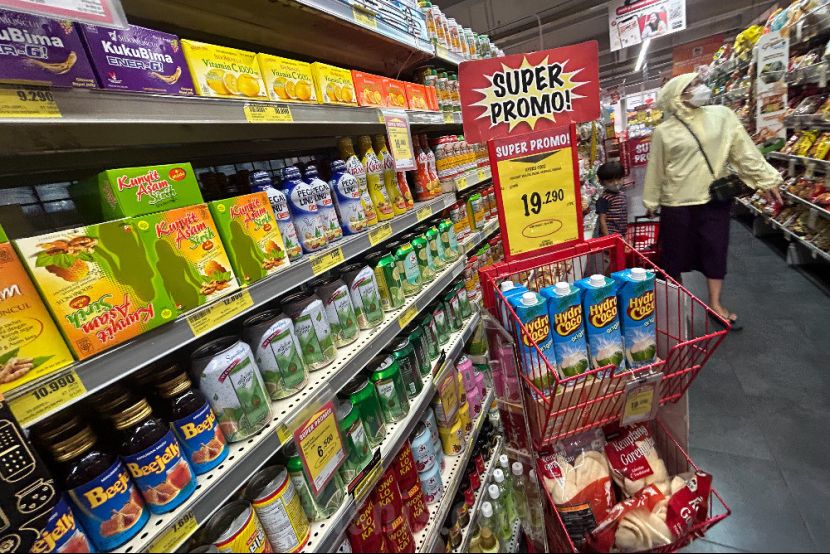
 During the 2026 Ramadan, household consumption in Indonesia is expected to grow, but the growth is more rational and selective, with beauty, Fast-Moving Consumer Goods (FMCG), and fashion becoming the three most popular categories. InMobi research shows that 74% of consumers have increased their Ramadan spending budget compared to last year. Although purchasing power has not fully recovered, Ramadan remains a major consumption period for fulfilling functional needs. SIRCLO internal data indicates that online consumption activities peak in the two weeks before Ramadan, with the most searched categories being beauty & personal care, health care, and fashion.
SIRCLO's Chief Operating Officer stated that this consumption pattern reflects a shift in consumer behavior, where people no longer make impulsive purchases but plan spending priorities more rationally. He pointed out that beauty and body care products have become popular; as Eid al-Fitr approaches, the demand for self-care rises, and bundle promotions and discounts at the start of Ramadan have further driven transaction growth. The health care category has also grown, with increased demand for vitamins, supplements, and other health products, reflecting consumers' emphasis on health issues. The fashion category remains a consumption hotspot, with rising demand for Muslim clothing, shoes, and festive accessories, and consumers tend to purchase in advance to avoid price increases before Eid al-Fitr.
In addition, the transaction value of the Fast-Moving Consumer Goods (FMCG) category has also risen, as consumers tend to stock up on daily necessities in bulk to save on spending throughout Ramadan. However, some analysts believe that the growth in Ramadan consumption is more of a seasonal phenomenon rather than a reflection of increased purchasing power. Marketing experts say that this year's Ramadan consumption has stagnated; even if there is growth, it is mainly the result of households reallocating expenses to meet cultural needs related to Eid al-Fitr, not an increase in purchasing power. He explained that Ramadan consumption typically heats up 1-2 weeks before the holiday, slows down mid-month, and picks up again near Eid al-Fitr, making pre-holiday promotions the most effective; at the same time, large expenditures from year-end festivals such as Christmas, New Year, and Chinese New Year have depleted household budgets, leaving less room for consumption this Ramadan than in previous years.
During the 2026 Ramadan, household consumption in Indonesia is expected to grow, but the growth is more rational and selective, with beauty, Fast-Moving Consumer Goods (FMCG), and fashion becoming the three most popular categories. InMobi research shows that 74% of consumers have increased their Ramadan spending budget compared to last year. Although purchasing power has not fully recovered, Ramadan remains a major consumption period for fulfilling functional needs. SIRCLO internal data indicates that online consumption activities peak in the two weeks before Ramadan, with the most searched categories being beauty & personal care, health care, and fashion.
SIRCLO's Chief Operating Officer stated that this consumption pattern reflects a shift in consumer behavior, where people no longer make impulsive purchases but plan spending priorities more rationally. He pointed out that beauty and body care products have become popular; as Eid al-Fitr approaches, the demand for self-care rises, and bundle promotions and discounts at the start of Ramadan have further driven transaction growth. The health care category has also grown, with increased demand for vitamins, supplements, and other health products, reflecting consumers' emphasis on health issues. The fashion category remains a consumption hotspot, with rising demand for Muslim clothing, shoes, and festive accessories, and consumers tend to purchase in advance to avoid price increases before Eid al-Fitr.
In addition, the transaction value of the Fast-Moving Consumer Goods (FMCG) category has also risen, as consumers tend to stock up on daily necessities in bulk to save on spending throughout Ramadan. However, some analysts believe that the growth in Ramadan consumption is more of a seasonal phenomenon rather than a reflection of increased purchasing power. Marketing experts say that this year's Ramadan consumption has stagnated; even if there is growth, it is mainly the result of households reallocating expenses to meet cultural needs related to Eid al-Fitr, not an increase in purchasing power. He explained that Ramadan consumption typically heats up 1-2 weeks before the holiday, slows down mid-month, and picks up again near Eid al-Fitr, making pre-holiday promotions the most effective; at the same time, large expenditures from year-end festivals such as Christmas, New Year, and Chinese New Year have depleted household budgets, leaving less room for consumption this Ramadan than in previous years.
During the 2026 Ramadan, household consumption in Indonesia is expected to grow, but the growth is more rational and selective, with beauty, Fast-Moving Consumer Goods (FMCG), and fashion becoming the three most popular categories. InMobi research shows that 74% of consumers have increased their Ramadan spending budget compared to last year. Although purchasing power has not fully recovered, Ramadan remains a major consumption period for fulfilling functional needs. SIRCLO internal data indicates that online consumption activities peak in the two weeks before Ramadan, with the most searched categories being beauty & personal care, health care, and fashion.
SIRCLO's Chief Operating Officer stated that this consumption pattern reflects a shift in consumer behavior, where people no longer make impulsive purchases but plan spending priorities more rationally. He pointed out that beauty and body care products have become popular; as Eid al-Fitr approaches, the demand for self-care rises, and bundle promotions and discounts at the start of Ramadan have further driven transaction growth. The health care category has also grown, with increased demand for vitamins, supplements, and other health products, reflecting consumers' emphasis on health issues. The fashion category remains a consumption hotspot, with rising demand for Muslim clothing, shoes, and festive accessories, and consumers tend to purchase in advance to avoid price increases before Eid al-Fitr.
In addition, the transaction value of the Fast-Moving Consumer Goods (FMCG) category has also risen, as consumers tend to stock up on daily necessities in bulk to save on spending throughout Ramadan. However, some analysts believe that the growth in Ramadan consumption is more of a seasonal phenomenon rather than a reflection of increased purchasing power. Marketing experts say that this year's Ramadan consumption has stagnated; even if there is growth, it is mainly the result of households reallocating expenses to meet cultural needs related to Eid al-Fitr, not an increase in purchasing power. He explained that Ramadan consumption typically heats up 1-2 weeks before the holiday, slows down mid-month, and picks up again near Eid al-Fitr, making pre-holiday promotions the most effective; at the same time, large expenditures from year-end festivals such as Christmas, New Year, and Chinese New Year have depleted household budgets, leaving less room for consumption this Ramadan than in previous years.
During the 2026 Ramadan, household consumption in Indonesia is expected to grow, but the growth is more rational and selective, with beauty, Fast-Moving Consumer Goods (FMCG), and fashion becoming the three most popular categories. InMobi research shows that 74% of consumers have increased their Ramadan spending budget compared to last year. Although purchasing power has not fully recovered, Ramadan remains a major consumption period for fulfilling functional needs. SIRCLO internal data indicates that online consumption activities peak in the two weeks before Ramadan, with the most searched categories being beauty & personal care, health care, and fashion.
SIRCLO's Chief Operating Officer stated that this consumption pattern reflects a shift in consumer behavior, where people no longer make impulsive purchases but plan spending priorities more rationally. He pointed out that beauty and body care products have become popular; as Eid al-Fitr approaches, the demand for self-care rises, and bundle promotions and discounts at the start of Ramadan have further driven transaction growth. The health care category has also grown, with increased demand for vitamins, supplements, and other health products, reflecting consumers' emphasis on health issues. The fashion category remains a consumption hotspot, with rising demand for Muslim clothing, shoes, and festive accessories, and consumers tend to purchase in advance to avoid price increases before Eid al-Fitr.
In addition, the transaction value of the Fast-Moving Consumer Goods (FMCG) category has also risen, as consumers tend to stock up on daily necessities in bulk to save on spending throughout Ramadan. However, some analysts believe that the growth in Ramadan consumption is more of a seasonal phenomenon rather than a reflection of increased purchasing power. Marketing experts say that this year's Ramadan consumption has stagnated; even if there is growth, it is mainly the result of households reallocating expenses to meet cultural needs related to Eid al-Fitr, not an increase in purchasing power. He explained that Ramadan consumption typically heats up 1-2 weeks before the holiday, slows down mid-month, and picks up again near Eid al-Fitr, making pre-holiday promotions the most effective; at the same time, large expenditures from year-end festivals such as Christmas, New Year, and Chinese New Year have depleted household budgets, leaving less room for consumption this Ramadan than in previous years.