


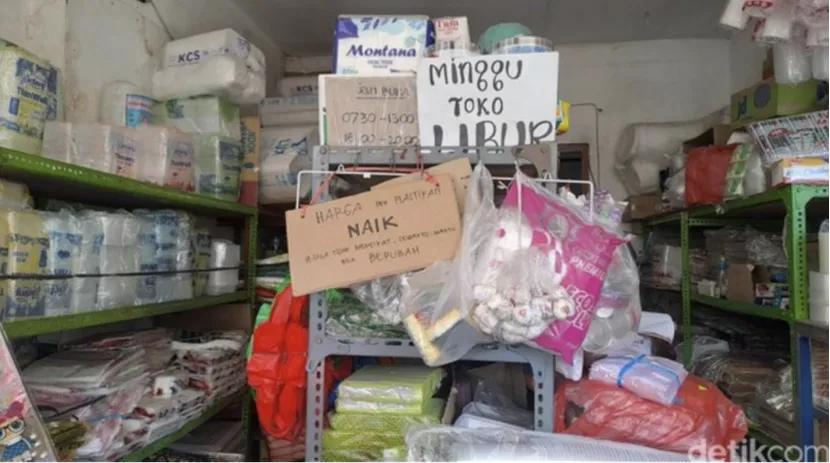
 Plastic industry practitioners in Cibitung, Bandung, West Java, are facing severe operational pressure. Local plastic companies generally report that the price of plastic pellet raw materials has surged, nearly doubling, placing a heavy burden on the entire industry. According to companies, the price of 2 tons of plastic pellets was previously IDR 40 million, but has now soared to IDR 80 million, a direct doubling that many plastic producers find unbearable.
Along with the price surge, the supply of plastic raw materials has become increasingly tight, significantly increasing the difficulty for companies to obtain production materials. The main reason for this situation is that the import process for plastic raw materials has been disrupted, with import channels blocked, leading to insufficient supply of raw materials on the domestic market, further driving up raw material prices and exacerbating the shortage. For local companies highly dependent on imported plastic raw materials, import disruptions have directly impacted normal production and operations, putting the entire industry in a passive position.
The doubling of raw material prices and supply shortages have triggered a series of chain reactions. First, company production scales have been forced to shrink, with many plastic factories unable to maintain normal capacity due to a lack of raw materials, resulting in a noticeable decline in output and difficulty fulfilling orders as planned. Second, the sharp cost increase has ultimately been passed on to consumers, leading to higher selling prices for plastic finished products, forcing end consumers to bear higher purchase costs, which has also affected market demand to some extent.
In response to the high raw material prices and supply shortages, some local plastic producers have attempted to adjust their production plans by switching to recycled plastic raw materials, hoping to reduce costs and ensure continued production. However, recycled plastic raw materials have clear shortcomings in quality, with their material properties and performance failing to meet production standards. The resulting plastic products are of poor quality and cannot meet market and customer quality requirements, not only affecting product sales but also damaging the companies' brand and market reputation.
Currently, the local plastics industry remains mired in dual pressure from raw material costs and supply, making it difficult for companies to balance production maintenance, cost control, and quality assurance. The raw material shortage caused by import disruptions has not yet eased, prices remain high, and recycled materials cannot replace the quality of virgin raw materials. As a result, the overall industry is experiencing low production and rising finished product prices, significantly affecting the entire plastics industry chain. Companies are facing unprecedented operational challenges, and the future development outlook remains uncertain.
Plastic industry practitioners in Cibitung, Bandung, West Java, are facing severe operational pressure. Local plastic companies generally report that the price of plastic pellet raw materials has surged, nearly doubling, placing a heavy burden on the entire industry. According to companies, the price of 2 tons of plastic pellets was previously IDR 40 million, but has now soared to IDR 80 million, a direct doubling that many plastic producers find unbearable.
Along with the price surge, the supply of plastic raw materials has become increasingly tight, significantly increasing the difficulty for companies to obtain production materials. The main reason for this situation is that the import process for plastic raw materials has been disrupted, with import channels blocked, leading to insufficient supply of raw materials on the domestic market, further driving up raw material prices and exacerbating the shortage. For local companies highly dependent on imported plastic raw materials, import disruptions have directly impacted normal production and operations, putting the entire industry in a passive position.
The doubling of raw material prices and supply shortages have triggered a series of chain reactions. First, company production scales have been forced to shrink, with many plastic factories unable to maintain normal capacity due to a lack of raw materials, resulting in a noticeable decline in output and difficulty fulfilling orders as planned. Second, the sharp cost increase has ultimately been passed on to consumers, leading to higher selling prices for plastic finished products, forcing end consumers to bear higher purchase costs, which has also affected market demand to some extent.
In response to the high raw material prices and supply shortages, some local plastic producers have attempted to adjust their production plans by switching to recycled plastic raw materials, hoping to reduce costs and ensure continued production. However, recycled plastic raw materials have clear shortcomings in quality, with their material properties and performance failing to meet production standards. The resulting plastic products are of poor quality and cannot meet market and customer quality requirements, not only affecting product sales but also damaging the companies' brand and market reputation.
Currently, the local plastics industry remains mired in dual pressure from raw material costs and supply, making it difficult for companies to balance production maintenance, cost control, and quality assurance. The raw material shortage caused by import disruptions has not yet eased, prices remain high, and recycled materials cannot replace the quality of virgin raw materials. As a result, the overall industry is experiencing low production and rising finished product prices, significantly affecting the entire plastics industry chain. Companies are facing unprecedented operational challenges, and the future development outlook remains uncertain.
Plastic industry practitioners in Cibitung, Bandung, West Java, are facing severe operational pressure. Local plastic companies generally report that the price of plastic pellet raw materials has surged, nearly doubling, placing a heavy burden on the entire industry. According to companies, the price of 2 tons of plastic pellets was previously IDR 40 million, but has now soared to IDR 80 million, a direct doubling that many plastic producers find unbearable.
Along with the price surge, the supply of plastic raw materials has become increasingly tight, significantly increasing the difficulty for companies to obtain production materials. The main reason for this situation is that the import process for plastic raw materials has been disrupted, with import channels blocked, leading to insufficient supply of raw materials on the domestic market, further driving up raw material prices and exacerbating the shortage. For local companies highly dependent on imported plastic raw materials, import disruptions have directly impacted normal production and operations, putting the entire industry in a passive position.
The doubling of raw material prices and supply shortages have triggered a series of chain reactions. First, company production scales have been forced to shrink, with many plastic factories unable to maintain normal capacity due to a lack of raw materials, resulting in a noticeable decline in output and difficulty fulfilling orders as planned. Second, the sharp cost increase has ultimately been passed on to consumers, leading to higher selling prices for plastic finished products, forcing end consumers to bear higher purchase costs, which has also affected market demand to some extent.
In response to the high raw material prices and supply shortages, some local plastic producers have attempted to adjust their production plans by switching to recycled plastic raw materials, hoping to reduce costs and ensure continued production. However, recycled plastic raw materials have clear shortcomings in quality, with their material properties and performance failing to meet production standards. The resulting plastic products are of poor quality and cannot meet market and customer quality requirements, not only affecting product sales but also damaging the companies' brand and market reputation.
Currently, the local plastics industry remains mired in dual pressure from raw material costs and supply, making it difficult for companies to balance production maintenance, cost control, and quality assurance. The raw material shortage caused by import disruptions has not yet eased, prices remain high, and recycled materials cannot replace the quality of virgin raw materials. As a result, the overall industry is experiencing low production and rising finished product prices, significantly affecting the entire plastics industry chain. Companies are facing unprecedented operational challenges, and the future development outlook remains uncertain.
Plastic industry practitioners in Cibitung, Bandung, West Java, are facing severe operational pressure. Local plastic companies generally report that the price of plastic pellet raw materials has surged, nearly doubling, placing a heavy burden on the entire industry. According to companies, the price of 2 tons of plastic pellets was previously IDR 40 million, but has now soared to IDR 80 million, a direct doubling that many plastic producers find unbearable.
Along with the price surge, the supply of plastic raw materials has become increasingly tight, significantly increasing the difficulty for companies to obtain production materials. The main reason for this situation is that the import process for plastic raw materials has been disrupted, with import channels blocked, leading to insufficient supply of raw materials on the domestic market, further driving up raw material prices and exacerbating the shortage. For local companies highly dependent on imported plastic raw materials, import disruptions have directly impacted normal production and operations, putting the entire industry in a passive position.
The doubling of raw material prices and supply shortages have triggered a series of chain reactions. First, company production scales have been forced to shrink, with many plastic factories unable to maintain normal capacity due to a lack of raw materials, resulting in a noticeable decline in output and difficulty fulfilling orders as planned. Second, the sharp cost increase has ultimately been passed on to consumers, leading to higher selling prices for plastic finished products, forcing end consumers to bear higher purchase costs, which has also affected market demand to some extent.
In response to the high raw material prices and supply shortages, some local plastic producers have attempted to adjust their production plans by switching to recycled plastic raw materials, hoping to reduce costs and ensure continued production. However, recycled plastic raw materials have clear shortcomings in quality, with their material properties and performance failing to meet production standards. The resulting plastic products are of poor quality and cannot meet market and customer quality requirements, not only affecting product sales but also damaging the companies' brand and market reputation.
Currently, the local plastics industry remains mired in dual pressure from raw material costs and supply, making it difficult for companies to balance production maintenance, cost control, and quality assurance. The raw material shortage caused by import disruptions has not yet eased, prices remain high, and recycled materials cannot replace the quality of virgin raw materials. As a result, the overall industry is experiencing low production and rising finished product prices, significantly affecting the entire plastics industry chain. Companies are facing unprecedented operational challenges, and the future development outlook remains uncertain.