The Indonesian government is planning to
stop tin exports to promote the development of the domestic mineral downstream processing industry. This is another important step in the "downstreaming" policy following the ban on bauxite exports.
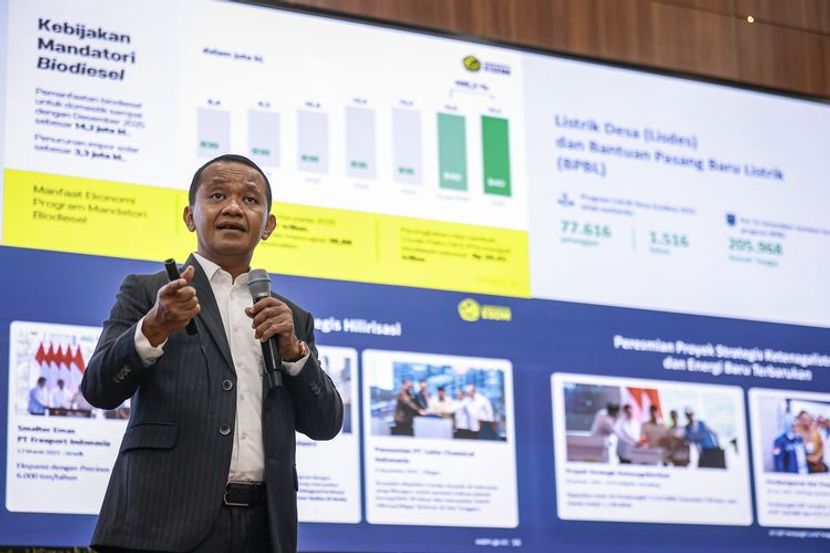
At the "Indonesia Economic Outlook"
event on February 13, 2026, the Minister of Energy and Mineral Resources stated that after banning bauxite exports in 2025, the government will study
stopping exports of various commodities including tin in 2026.
The minister emphasized that
exporting raw materials is no longer an option, and the focus must shift to building smelting and processing industries domestically to develop
high value-added products. He cited the nickel policy as an example of the effectiveness of downstreaming:
- Before the policy (2018-2019): nickel ore exports were only about US$3.3 billion.
- After the policy (2024): after banning raw ore exports and developing downstream industries, exports of nickel-related products increased to about US$34 billion, nearly 10 times growth.
This policy not only drives economic growth and employment but is also seen as a
key engine for achieving the "Golden Indonesia 2045" vision. President Prabowo has
designated downstreaming as a national priority, identifying 18
priority projects with a total value of about IDR 618 trillion, covering: bauxite, nickel, coal gasification, and refineries.
These projects aim to replace imports with domestically produced alternatives, expected to attract about
US$618 billion in investment, with nearly
US$500 billion from the mineral and coal sectors.
According to the plan, the downstreaming strategy is expected to bring the following long-term benefits:
- Additional export value of about US$857.9 billion
- GDP contribution increase of about US$235.9 billion
- Creation of over 3 million jobs
He called on domestic investors and banks to actively finance these projects to ensure
added value stays within the country and seize the huge opportunities in the domestic market.