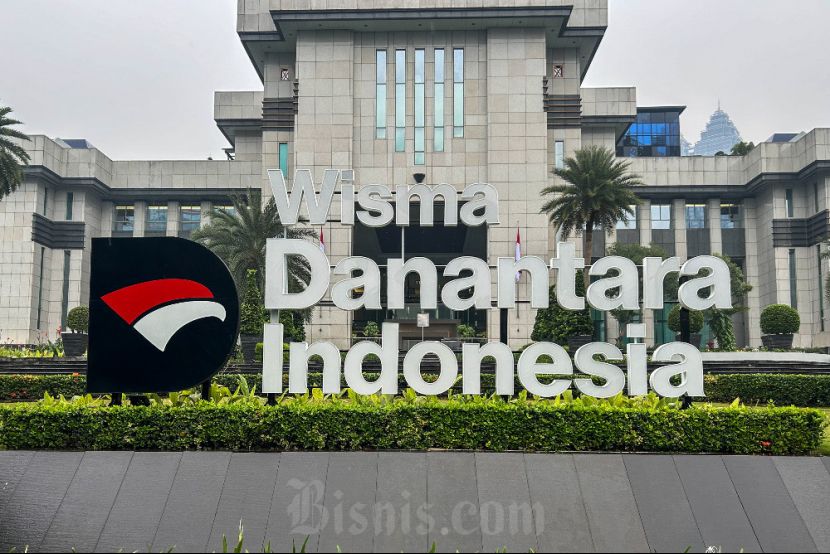
Indonesia's
Danantara Investment Authority will launch multiple
strategic project constructions in 2026, focusing on
flagship projects and
six downstream industry projects, while simultaneously planning
18 priority projects in downstream and energy security. The overall investment scale is massive, covering key sectors such as
mineral processing, energy transition, agriculture, and livelihoods.
For
flagship projects, the first batch of
Waste-to-Energy (PSEL) projects will be implemented in four mature areas: Bekasi, Bogor, Bali, and Yogyakarta. Construction is expected to commence in
phases from March to June, with individual project investments of approximately
IDR 2–3 trillion.
Another flagship project—the
Makkah Hajj Village Project in Saudi Arabia—is planned to
start construction in the fourth quarter. The project's
hotel acquisition alone costs
USD 500 million, with subsequent construction requiring an additional
USD 700–800 million.
In February, Danantara will commence construction on
six core downstream projects, including:
- Bauxite-to-Alumina Smelter in Mempawah, West Kalimantan (investment USD 2.4 billion)
- Bauxite-to-Smelter-Grade Alumina Project (USD 890 million)
- Bio-aviation Fuel Production Facility in Cilacap, Central Java (USD 1.1 billion)
- Bioethanol Project in Banyuwangi, East Java (USD 80 million)
- Integrated Coconut Downstream Project in Morowali, Central Sulawesi (USD 100 million)
- Poultry Farming Project in Five Locations Nationwide
Meanwhile, the
Coal-to-Dimethyl Ether (DME) project will begin preparatory construction next month, with technical aspects still under internal analysis.
Additionally, Danantara is planning
18 priority projects in downstream and energy security, each with investments in the
trillions of rupiah, covering:
- Mineral processing (e.g., aluminum smelting, DME, stainless steel sheets, etc.)
- Energy projects (oil refining, storage terminals, etc.)
- Energy transition projects (photovoltaic modules, bio-aviation fuel, etc.)
- Agriculture and marine industries (tilapia processing, carrageenan extraction, etc.)
These projects are expected to create numerous jobs, with some achieving
import substitution and boosting
livelihood economies, further strengthening Indonesia's domestic industrial chain, driving
energy transition and industrial upgrading, while enhancing employment and economic vitality.