


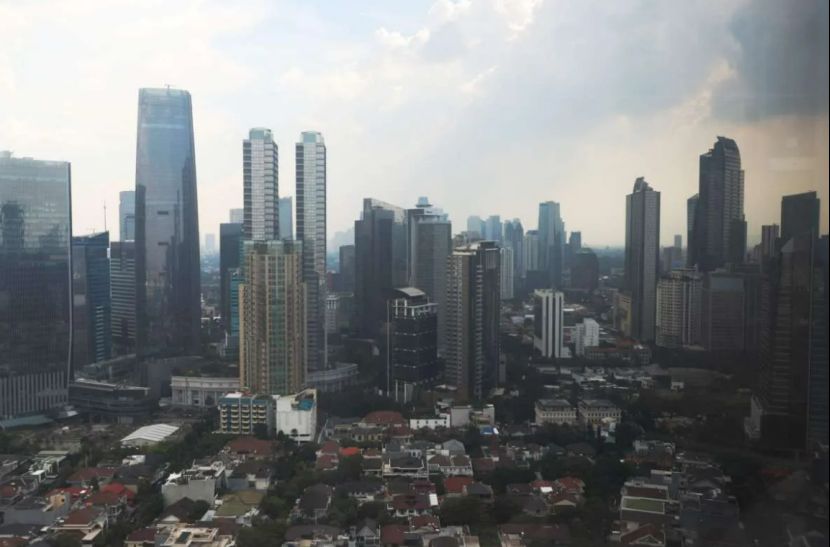
 The Indonesian government has clearly stated that it will continue implementing multiple economic stimulus policies in 2026 and is currently refining relevant plans aimed at maintaining national economic stability and further expanding employment opportunities. A spokesperson for the Coordinating Ministry for Economic Affairs revealed that the stimulus policies to be extended in 2026 include several components: First, the National Internship Program; Second, extending the validity period and adjusting the scope of the 0.5% final income tax incentive for MSME taxpayers until 2029; Third, continuing various fiscal incentive policies.
In addition, the government also plans to extend the government-borne Article 21 income tax policy for employees in the tourism and labor-intensive industries, the government-borne VAT policy for the real estate sector, and to extend and expand the premium reduction incentives for work accident insurance and death insurance for all non-wage workers. Previously, the government had issued the 2025 Economic Policy Package and Employment Absorption Plan, which includes 8 accelerated projects for 2025, 4 projects extended to 2026, and 5 core employment absorption programs. The overall policy focuses on stabilizing the economy, safeguarding people's purchasing power, and strengthening labor market resilience.
The implementation of relevant policies in 2025 has yielded significant results: The first three batches of the National Internship Program attracted 724,880 college graduates applicants, ultimately enrolling 102,696 people, exceeding the original target of 100,000; the government-borne Article 21 income tax policy for employees in the tourism sector with monthly salaries below IDR 10 million was officially implemented; from October to November, rice subsidies were distributed to 18.3 million beneficiary families, with a total distribution of over 348,000 tons, achieving a completion rate of 95.86%. The concurrent cooking oil subsidy of 2 liters per household also reached a completion rate of 95.86%.
In the social security field, the premium reduction for work accident insurance and death insurance for non-wage workers in the transportation and logistics sectors, including ride-hailing drivers, truck drivers, and couriers, has benefited over 731,000 people, with the discount period covering October 2025 to March 2026. In addition, the Housing Supplementary Service Benefits Plan launched by the Indonesian Social Security Agency for Employment took effect on October 1, 2025, helping low- and middle-income groups achieve homeownership by easing loan interest rates.
In terms of employment absorption, the Ministry of Public Works and Housing implemented a budget of IDR 6.63 trillion, creating over 25,000 jobs, with a completion rate of 93.7%; the Ministry of Forestry implemented a budget of IDR 1.18 trillion, absorbing 16,000 workers, with a completion rate of 65.38%. In deregulation, the government established a special task force to handle investment-related complaints through a unified channel, resolving 23 complaints by December 2025.
The Indonesian government has clearly stated that it will continue implementing multiple economic stimulus policies in 2026 and is currently refining relevant plans aimed at maintaining national economic stability and further expanding employment opportunities. A spokesperson for the Coordinating Ministry for Economic Affairs revealed that the stimulus policies to be extended in 2026 include several components: First, the National Internship Program; Second, extending the validity period and adjusting the scope of the 0.5% final income tax incentive for MSME taxpayers until 2029; Third, continuing various fiscal incentive policies.
In addition, the government also plans to extend the government-borne Article 21 income tax policy for employees in the tourism and labor-intensive industries, the government-borne VAT policy for the real estate sector, and to extend and expand the premium reduction incentives for work accident insurance and death insurance for all non-wage workers. Previously, the government had issued the 2025 Economic Policy Package and Employment Absorption Plan, which includes 8 accelerated projects for 2025, 4 projects extended to 2026, and 5 core employment absorption programs. The overall policy focuses on stabilizing the economy, safeguarding people's purchasing power, and strengthening labor market resilience.
The implementation of relevant policies in 2025 has yielded significant results: The first three batches of the National Internship Program attracted 724,880 college graduates applicants, ultimately enrolling 102,696 people, exceeding the original target of 100,000; the government-borne Article 21 income tax policy for employees in the tourism sector with monthly salaries below IDR 10 million was officially implemented; from October to November, rice subsidies were distributed to 18.3 million beneficiary families, with a total distribution of over 348,000 tons, achieving a completion rate of 95.86%. The concurrent cooking oil subsidy of 2 liters per household also reached a completion rate of 95.86%.
In the social security field, the premium reduction for work accident insurance and death insurance for non-wage workers in the transportation and logistics sectors, including ride-hailing drivers, truck drivers, and couriers, has benefited over 731,000 people, with the discount period covering October 2025 to March 2026. In addition, the Housing Supplementary Service Benefits Plan launched by the Indonesian Social Security Agency for Employment took effect on October 1, 2025, helping low- and middle-income groups achieve homeownership by easing loan interest rates.
In terms of employment absorption, the Ministry of Public Works and Housing implemented a budget of IDR 6.63 trillion, creating over 25,000 jobs, with a completion rate of 93.7%; the Ministry of Forestry implemented a budget of IDR 1.18 trillion, absorbing 16,000 workers, with a completion rate of 65.38%. In deregulation, the government established a special task force to handle investment-related complaints through a unified channel, resolving 23 complaints by December 2025.
On December 18, 2025, the government launched the Urban Development Pilot Project in Jakarta, planning to expand it to 15 cities nationwide and establish a digital economy platform to support the gig economy. Additionally, temporary cash assistance for livelihoods has covered over 33 million beneficiary families, with a completion rate of 94.8%. The distribution rate in three disaster-affected provinces—Aceh, North Sumatra, and West Sumatra—has also reached around 90%.