


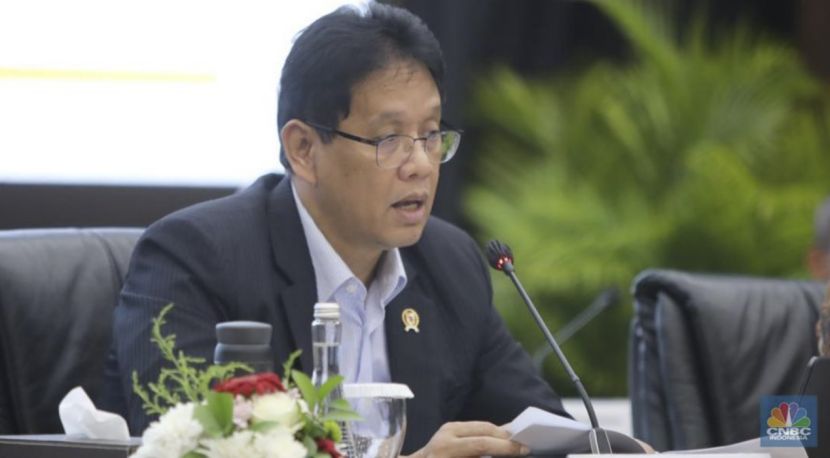
 The Minister of Finance recently confirmed that the revised "Export Earnings Foreign Exchange Regulations" (DHE) will officially take effect on January 1, 2026. This means that natural resource (SDA) exporters must deposit their foreign exchange funds in state-owned bank groups (Himbara) for a minimum period of one year. The latest regulations will be released soon, and Bank Indonesia (BI) will simultaneously issue supporting technical details. He explained that the government regulations have completed discussions, alignment, and coordination, and only await the issuance of BI's implementing rules for full enforcement.
According to the "Strategy for Strengthening Domestic Foreign Exchange Liquidity Policy" document issued by the Ministry of Finance to the banking sector, effective January 1, 2026, natural resource exporters are mandatorily required to deposit their foreign exchange earnings only in Himbara. Previous regulations did not specifically restrict which banks could receive DHE SDA, but the new rules explicitly limit this to Himbara.The new regulations also include several adjustments:1. The maximum proportion of foreign exchange earnings that can be converted into Indonesian rupiah is reduced from 100% to 50%;2. The scope of foreign exchange usage is expanded, no longer limited to purchasing goods that cannot be produced domestically, but now also includes purchases of general goods and services as well as working capital needs;3. Exporters are allowed to invest their funds in foreign currency sovereign bonds (SBN valas) issued domestically. The government will simultaneously issue such bonds to absorb excess foreign exchange and deepen the local currency bond market.
Regarding the placement of special accounts (reksus) in the revised version, the new regulations require that accounts must be opened within Himbara, which is state-owned and engaged in foreign exchange business; whereas the old rules allowed opening accounts with the Indonesian Export Financing Institution (LPEI) and/or general foreign exchange banks. This move further centralizes foreign exchange fund management, enhancing regulatory oversight and liquidity control capabilities.
The Minister of Finance recently confirmed that the revised "Export Earnings Foreign Exchange Regulations" (DHE) will officially take effect on January 1, 2026. This means that natural resource (SDA) exporters must deposit their foreign exchange funds in state-owned bank groups (Himbara) for a minimum period of one year. The latest regulations will be released soon, and Bank Indonesia (BI) will simultaneously issue supporting technical details. He explained that the government regulations have completed discussions, alignment, and coordination, and only await the issuance of BI's implementing rules for full enforcement.
According to the "Strategy for Strengthening Domestic Foreign Exchange Liquidity Policy" document issued by the Ministry of Finance to the banking sector, effective January 1, 2026, natural resource exporters are mandatorily required to deposit their foreign exchange earnings only in Himbara. Previous regulations did not specifically restrict which banks could receive DHE SDA, but the new rules explicitly limit this to Himbara.The new regulations also include several adjustments:1. The maximum proportion of foreign exchange earnings that can be converted into Indonesian rupiah is reduced from 100% to 50%;2. The scope of foreign exchange usage is expanded, no longer limited to purchasing goods that cannot be produced domestically, but now also includes purchases of general goods and services as well as working capital needs;3. Exporters are allowed to invest their funds in foreign currency sovereign bonds (SBN valas) issued domestically. The government will simultaneously issue such bonds to absorb excess foreign exchange and deepen the local currency bond market.
Regarding the placement of special accounts (reksus) in the revised version, the new regulations require that accounts must be opened within Himbara, which is state-owned and engaged in foreign exchange business; whereas the old rules allowed opening accounts with the Indonesian Export Financing Institution (LPEI) and/or general foreign exchange banks. This move further centralizes foreign exchange fund management, enhancing regulatory oversight and liquidity control capabilities.
The Minister of Finance recently confirmed that the revised "Export Earnings Foreign Exchange Regulations" (DHE) will officially take effect on January 1, 2026. This means that natural resource (SDA) exporters must deposit their foreign exchange funds in state-owned bank groups (Himbara) for a minimum period of one year. The latest regulations will be released soon, and Bank Indonesia (BI) will simultaneously issue supporting technical details. He explained that the government regulations have completed discussions, alignment, and coordination, and only await the issuance of BI's implementing rules for full enforcement.
According to the "Strategy for Strengthening Domestic Foreign Exchange Liquidity Policy" document issued by the Ministry of Finance to the banking sector, effective January 1, 2026, natural resource exporters are mandatorily required to deposit their foreign exchange earnings only in Himbara. Previous regulations did not specifically restrict which banks could receive DHE SDA, but the new rules explicitly limit this to Himbara.The new regulations also include several adjustments:1. The maximum proportion of foreign exchange earnings that can be converted into Indonesian rupiah is reduced from 100% to 50%;2. The scope of foreign exchange usage is expanded, no longer limited to purchasing goods that cannot be produced domestically, but now also includes purchases of general goods and services as well as working capital needs;3. Exporters are allowed to invest their funds in foreign currency sovereign bonds (SBN valas) issued domestically. The government will simultaneously issue such bonds to absorb excess foreign exchange and deepen the local currency bond market.
Regarding the placement of special accounts (reksus) in the revised version, the new regulations require that accounts must be opened within Himbara, which is state-owned and engaged in foreign exchange business; whereas the old rules allowed opening accounts with the Indonesian Export Financing Institution (LPEI) and/or general foreign exchange banks. This move further centralizes foreign exchange fund management, enhancing regulatory oversight and liquidity control capabilities.
The Minister of Finance recently confirmed that the revised "Export Earnings Foreign Exchange Regulations" (DHE) will officially take effect on January 1, 2026. This means that natural resource (SDA) exporters must deposit their foreign exchange funds in state-owned bank groups (Himbara) for a minimum period of one year. The latest regulations will be released soon, and Bank Indonesia (BI) will simultaneously issue supporting technical details. He explained that the government regulations have completed discussions, alignment, and coordination, and only await the issuance of BI's implementing rules for full enforcement.
According to the "Strategy for Strengthening Domestic Foreign Exchange Liquidity Policy" document issued by the Ministry of Finance to the banking sector, effective January 1, 2026, natural resource exporters are mandatorily required to deposit their foreign exchange earnings only in Himbara. Previous regulations did not specifically restrict which banks could receive DHE SDA, but the new rules explicitly limit this to Himbara.The new regulations also include several adjustments:1. The maximum proportion of foreign exchange earnings that can be converted into Indonesian rupiah is reduced from 100% to 50%;2. The scope of foreign exchange usage is expanded, no longer limited to purchasing goods that cannot be produced domestically, but now also includes purchases of general goods and services as well as working capital needs;3. Exporters are allowed to invest their funds in foreign currency sovereign bonds (SBN valas) issued domestically. The government will simultaneously issue such bonds to absorb excess foreign exchange and deepen the local currency bond market.
Regarding the placement of special accounts (reksus) in the revised version, the new regulations require that accounts must be opened within Himbara, which is state-owned and engaged in foreign exchange business; whereas the old rules allowed opening accounts with the Indonesian Export Financing Institution (LPEI) and/or general foreign exchange banks. This move further centralizes foreign exchange fund management, enhancing regulatory oversight and liquidity control capabilities.