


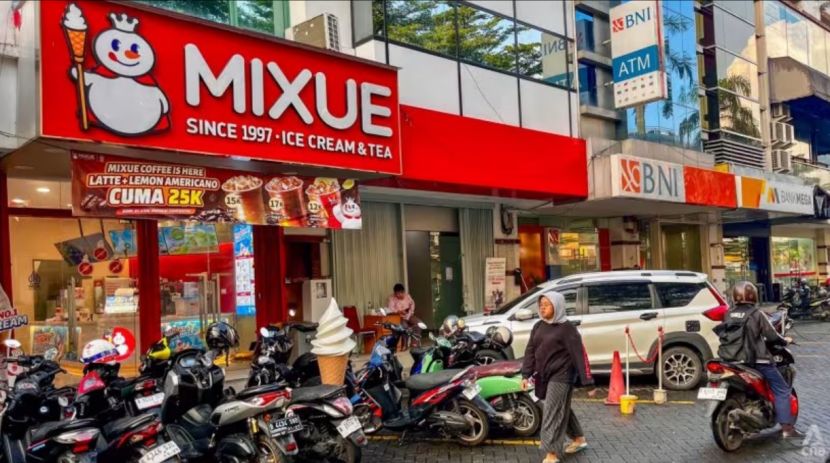
 In the past, Chinese products were often considered low-quality and imitations, but now they are more recognized in Southeast Asia. Brands like Xiaomi, Vivo, Oppo, BYD, Chery, Mixue, and Chagee are widely known. An Indonesian consumer owns multiple Chinese products and believes they are competitively priced, easily accessible, and technologically advanced, with functionality not much different from non-Chinese brands. Another Indonesian consumer, influenced by relatives, bought a Xiaomi phone and is satisfied with its battery and heat dissipation. A Malaysian consumer likes Chagee's diverse products and comfortable environment, believing product quality matters, not the country of origin. Another Malaysian consumer bought a XPeng G6 electric vehicle, drove over 20,000 km without major issues, and found the price more advantageous than Korean brands. In Q1 2025, Xiaomi, Transsion, and Oppo occupied the top three positions in the Indonesian mobile phone market; in 2024, Xiaomi led the Malaysian mobile phone market, followed closely by Samsung, with many Chinese brands holding a certain share. Chinese auto brands are gradually gaining popularity in Indonesia and Malaysia. From January to June 2025, BYD ranked sixth in Indonesian car sales, while in 2016, Chinese cars had almost zero market presence in Indonesia. In Malaysia, Chery and BYD entered the top ten. As of the end of 2024, 60 Chinese brands had opened over 6,100 stores in Southeast Asia. Malaysia is Chagee's largest overseas market, with over 150 stores currently and plans to open another 300 stores in the next three years.
Reasons for Chinese brands' expansion in Southeast Asia include China's growing manufacturing capacity, with ecosystems supporting exports to developing countries; Southeast Asian consumers are price-sensitive, and Chinese brands offer attractive prices with heavy promotion; Chinese companies invest heavily in R&D, with government incentives enabling mass production at low prices; driven by China's "Going Out" strategy; Chinese companies act quickly and invest large sums in promotion. However, challenges remain, such as the difficulty of sustaining low-price strategies; some Chinese goods are produced in Vietnam to reduce costs; some consumers still perceive Chinese brands as lower quality than European brands; as Chinese brands develop, they must balance relations with local brands to avoid triggering anti-Chinese sentiment; some Malaysian companies have seen profits decline due to strong competition from Chinese companies, and food and beverage operators question Chinese brands' low-price strategies.
In the past, Chinese products were often considered low-quality and imitations, but now they are more recognized in Southeast Asia. Brands like Xiaomi, Vivo, Oppo, BYD, Chery, Mixue, and Chagee are widely known. An Indonesian consumer owns multiple Chinese products and believes they are competitively priced, easily accessible, and technologically advanced, with functionality not much different from non-Chinese brands. Another Indonesian consumer, influenced by relatives, bought a Xiaomi phone and is satisfied with its battery and heat dissipation. A Malaysian consumer likes Chagee's diverse products and comfortable environment, believing product quality matters, not the country of origin. Another Malaysian consumer bought a XPeng G6 electric vehicle, drove over 20,000 km without major issues, and found the price more advantageous than Korean brands. In Q1 2025, Xiaomi, Transsion, and Oppo occupied the top three positions in the Indonesian mobile phone market; in 2024, Xiaomi led the Malaysian mobile phone market, followed closely by Samsung, with many Chinese brands holding a certain share. Chinese auto brands are gradually gaining popularity in Indonesia and Malaysia. From January to June 2025, BYD ranked sixth in Indonesian car sales, while in 2016, Chinese cars had almost zero market presence in Indonesia. In Malaysia, Chery and BYD entered the top ten. As of the end of 2024, 60 Chinese brands had opened over 6,100 stores in Southeast Asia. Malaysia is Chagee's largest overseas market, with over 150 stores currently and plans to open another 300 stores in the next three years.
Reasons for Chinese brands' expansion in Southeast Asia include China's growing manufacturing capacity, with ecosystems supporting exports to developing countries; Southeast Asian consumers are price-sensitive, and Chinese brands offer attractive prices with heavy promotion; Chinese companies invest heavily in R&D, with government incentives enabling mass production at low prices; driven by China's "Going Out" strategy; Chinese companies act quickly and invest large sums in promotion. However, challenges remain, such as the difficulty of sustaining low-price strategies; some Chinese goods are produced in Vietnam to reduce costs; some consumers still perceive Chinese brands as lower quality than European brands; as Chinese brands develop, they must balance relations with local brands to avoid triggering anti-Chinese sentiment; some Malaysian companies have seen profits decline due to strong competition from Chinese companies, and food and beverage operators question Chinese brands' low-price strategies.
In the past, Chinese products were often considered low-quality and imitations, but now they are more recognized in Southeast Asia. Brands like Xiaomi, Vivo, Oppo, BYD, Chery, Mixue, and Chagee are widely known. An Indonesian consumer owns multiple Chinese products and believes they are competitively priced, easily accessible, and technologically advanced, with functionality not much different from non-Chinese brands. Another Indonesian consumer, influenced by relatives, bought a Xiaomi phone and is satisfied with its battery and heat dissipation. A Malaysian consumer likes Chagee's diverse products and comfortable environment, believing product quality matters, not the country of origin. Another Malaysian consumer bought a XPeng G6 electric vehicle, drove over 20,000 km without major issues, and found the price more advantageous than Korean brands. In Q1 2025, Xiaomi, Transsion, and Oppo occupied the top three positions in the Indonesian mobile phone market; in 2024, Xiaomi led the Malaysian mobile phone market, followed closely by Samsung, with many Chinese brands holding a certain share. Chinese auto brands are gradually gaining popularity in Indonesia and Malaysia. From January to June 2025, BYD ranked sixth in Indonesian car sales, while in 2016, Chinese cars had almost zero market presence in Indonesia. In Malaysia, Chery and BYD entered the top ten. As of the end of 2024, 60 Chinese brands had opened over 6,100 stores in Southeast Asia. Malaysia is Chagee's largest overseas market, with over 150 stores currently and plans to open another 300 stores in the next three years.
Reasons for Chinese brands' expansion in Southeast Asia include China's growing manufacturing capacity, with ecosystems supporting exports to developing countries; Southeast Asian consumers are price-sensitive, and Chinese brands offer attractive prices with heavy promotion; Chinese companies invest heavily in R&D, with government incentives enabling mass production at low prices; driven by China's "Going Out" strategy; Chinese companies act quickly and invest large sums in promotion. However, challenges remain, such as the difficulty of sustaining low-price strategies; some Chinese goods are produced in Vietnam to reduce costs; some consumers still perceive Chinese brands as lower quality than European brands; as Chinese brands develop, they must balance relations with local brands to avoid triggering anti-Chinese sentiment; some Malaysian companies have seen profits decline due to strong competition from Chinese companies, and food and beverage operators question Chinese brands' low-price strategies.
In the past, Chinese products were often considered low-quality and imitations, but now they are more recognized in Southeast Asia. Brands like Xiaomi, Vivo, Oppo, BYD, Chery, Mixue, and Chagee are widely known. An Indonesian consumer owns multiple Chinese products and believes they are competitively priced, easily accessible, and technologically advanced, with functionality not much different from non-Chinese brands. Another Indonesian consumer, influenced by relatives, bought a Xiaomi phone and is satisfied with its battery and heat dissipation. A Malaysian consumer likes Chagee's diverse products and comfortable environment, believing product quality matters, not the country of origin. Another Malaysian consumer bought a XPeng G6 electric vehicle, drove over 20,000 km without major issues, and found the price more advantageous than Korean brands. In Q1 2025, Xiaomi, Transsion, and Oppo occupied the top three positions in the Indonesian mobile phone market; in 2024, Xiaomi led the Malaysian mobile phone market, followed closely by Samsung, with many Chinese brands holding a certain share. Chinese auto brands are gradually gaining popularity in Indonesia and Malaysia. From January to June 2025, BYD ranked sixth in Indonesian car sales, while in 2016, Chinese cars had almost zero market presence in Indonesia. In Malaysia, Chery and BYD entered the top ten. As of the end of 2024, 60 Chinese brands had opened over 6,100 stores in Southeast Asia. Malaysia is Chagee's largest overseas market, with over 150 stores currently and plans to open another 300 stores in the next three years.
Reasons for Chinese brands' expansion in Southeast Asia include China's growing manufacturing capacity, with ecosystems supporting exports to developing countries; Southeast Asian consumers are price-sensitive, and Chinese brands offer attractive prices with heavy promotion; Chinese companies invest heavily in R&D, with government incentives enabling mass production at low prices; driven by China's "Going Out" strategy; Chinese companies act quickly and invest large sums in promotion. However, challenges remain, such as the difficulty of sustaining low-price strategies; some Chinese goods are produced in Vietnam to reduce costs; some consumers still perceive Chinese brands as lower quality than European brands; as Chinese brands develop, they must balance relations with local brands to avoid triggering anti-Chinese sentiment; some Malaysian companies have seen profits decline due to strong competition from Chinese companies, and food and beverage operators question Chinese brands' low-price strategies.