
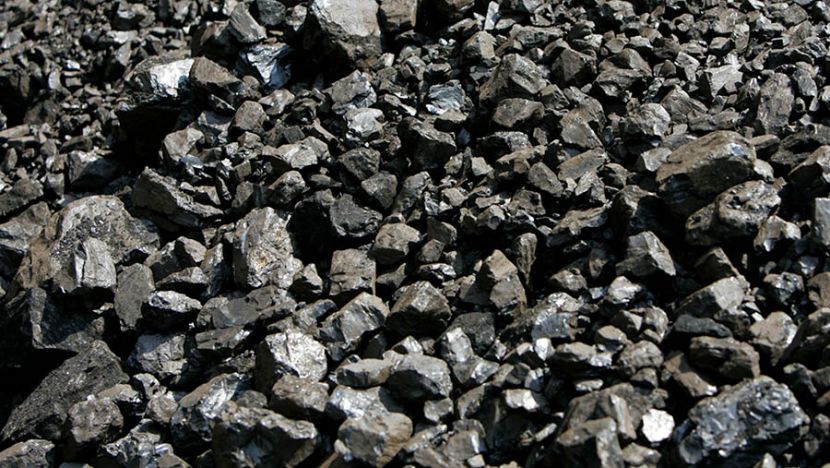
Chinese Enterprises Study Indonesia Coal Gasification Project
Energy and Mineral Resources Ministry says four Chinese enterprises are studying coal gasification to dimethyl ether (DME) project to replace liquefied petroleum gas (LPG). Each enterprise's research results differ; some consider the project infeasible in Indonesia, others derive different internal rates of return. The Ministry requires these enterprises to provide calculation examples so that the project study is not just theoretical. Currently, all countries prioritize their own interests; the chairman of the relevant parliamentary committee suggested that the government not rely solely on one country when advancing Indonesia's coal DME project technology. The Minister of Energy once mentioned that the project would adopt U.S.
Fujian Invests IDR 16 Trillion in Batang Special Economic Zone
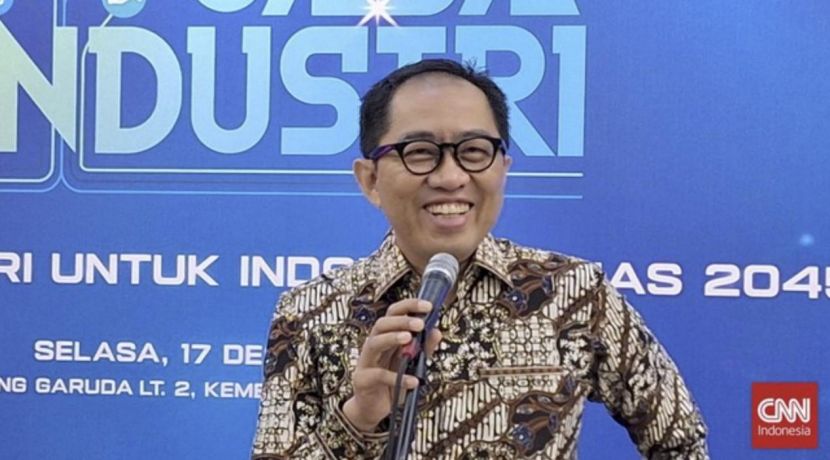
Deputy Minister of Industry Says Indonesia Could Become Destination for Chinese Factory Relocation
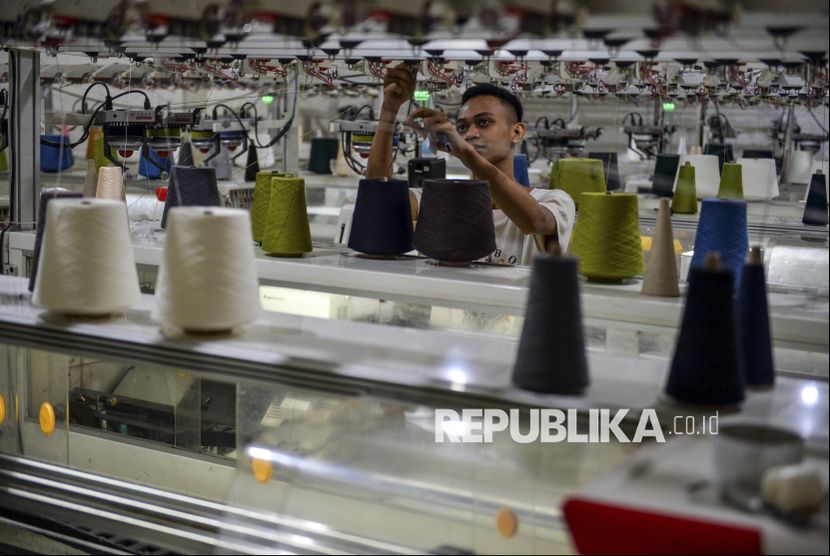
Indonesia's Imports of Chinese Textiles Decline in February
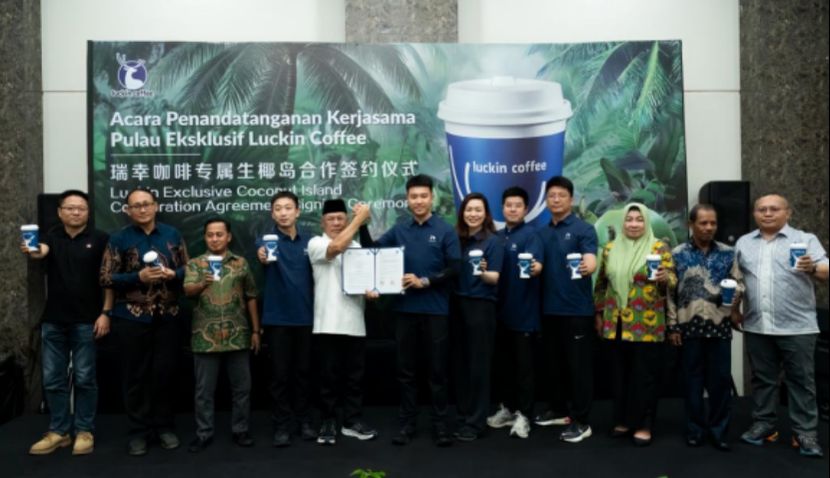
Luckin Coffee Establishes Exclusive Coconut Island in Indonesia
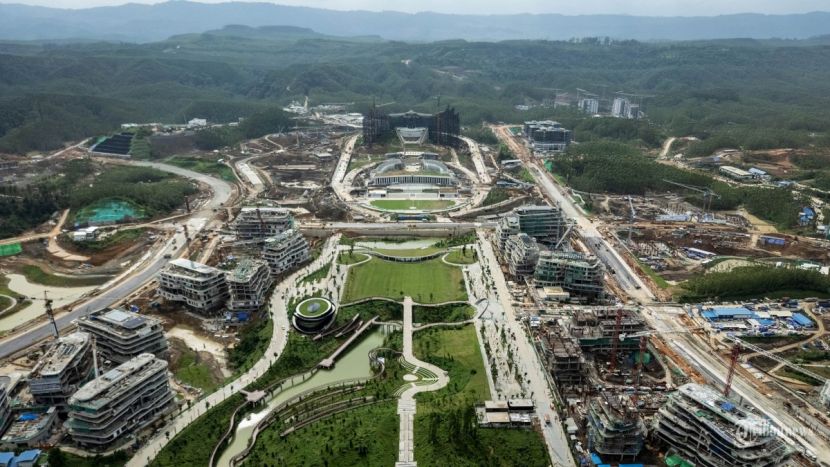
Chinese Companies Participate in Construction of Smart Tunnel in Indonesia's New Capital Nusantara
Indonesia's new capital continues to attract investors from various countries, including China. The Nusantara Capital Authority has issued a construction permit to PT China Harbour Indonesia to participate in the construction of roads and a multi-purpose tunnel project worth IDR 70 trillion. The infrastructure includes a 138.6-kilometer smart tunnel that will serve as the backbone of the new capital's utility network. The project also involves other companies, including state-owned enterprises such as PT Brantas Abipraya and PT Hutama Karya, demonstrating
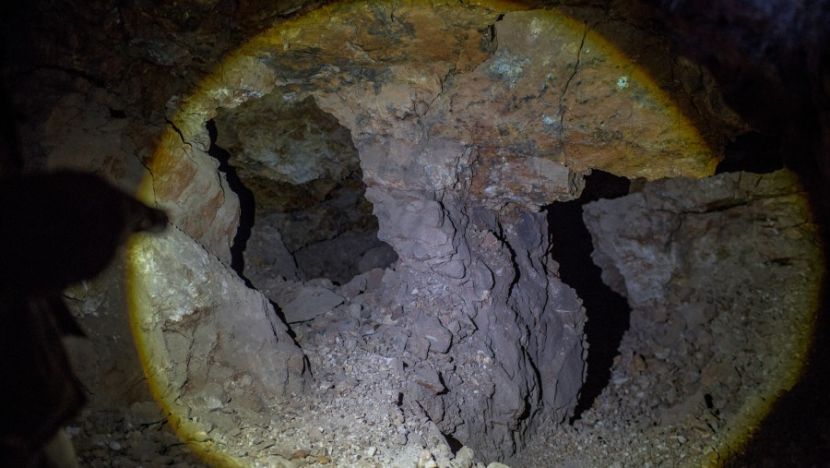
Indonesia Ranks Second Globally in Cobalt Production and Reserves
In 2023, Indonesia's cobalt production trailed only the world's largest cobalt producer, the Democratic Republic of the Congo, which produced 170,000 tons of cobalt in 2023. Indonesia produced 17,000 tons in the same year, up from 9,600 tons in 2022. Russia ranked third with 8,800 tons in 2023. The DRC also holds the world's largest cobalt reserves at 6 million tons, while Australia and Indonesia have 1.7 million tons and 500,000 tons respectively. Globally, cobalt is mainly used in rechargeable battery electrodes, as well as in the manufacture of gas turbine parts and as a component of vitamin B12. In 2023, Indonesia's nickel production accounted for
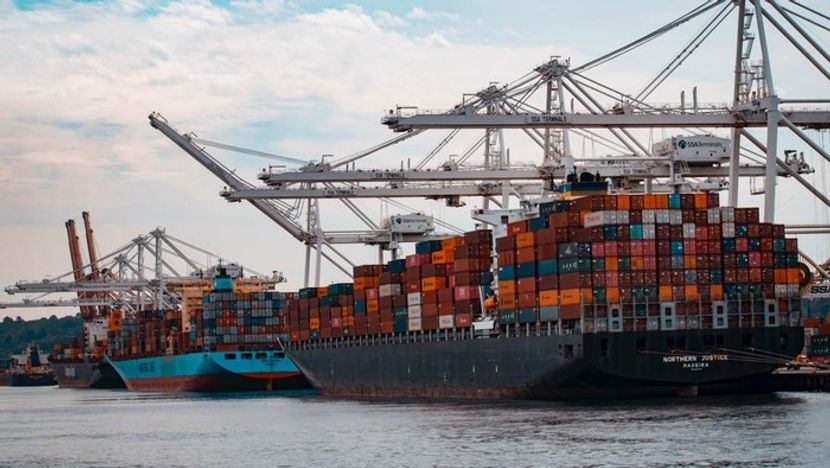
China Becomes Indonesia's Main Export and Import Destination Last Year
In 2024, Indonesia's import and export performance was positive, and the economy remained stable. On the export side, total exports for the year reached USD 264.7 billion, a year-on-year increase of 2.29%, with export volume growing by 5.37%. The non-oil and gas sector was the main driver of exports, with fuel minerals, animal/vegetable oils, and iron and steel being major export commodities. The products with the largest export growth included cocoa and its preparations, and iron and steel products. China, the United States, and Japan were the main export destinations. On the import side, total imports for the year reached USD 233.66 billion, a year-on-year increase of 11.07%. Machinery and electrical equipment were the main imported goods, with raw materials
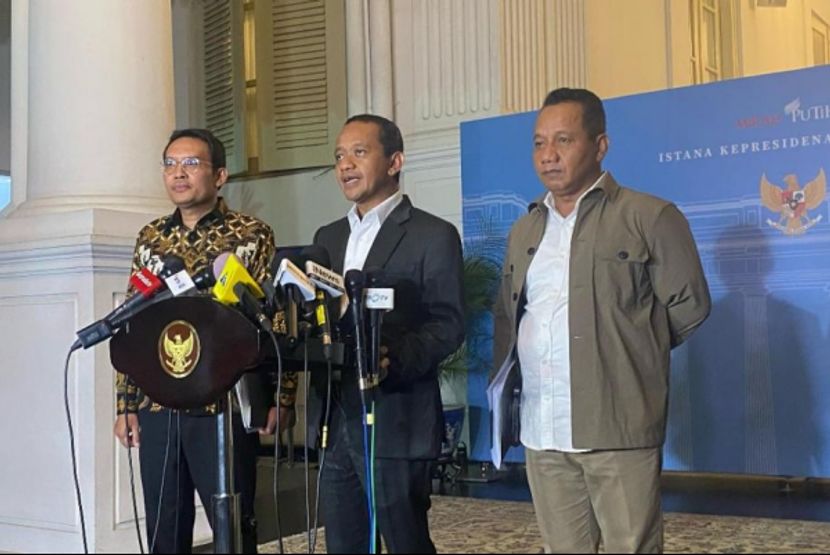
Indonesia's 21 Downstream Projects Total US$618 Billion
The Minister of Energy and Mineral Resources revealed that the National Investment Management Agency (BPI Danantara) will fund downstream projects. President Prabowo decided in a closed-door meeting with the Task Force for Downstreaming and Energy Sovereignty that the first phase of downstreaming in 2025 targets 21 projects valued at approximately US$618 billion. The first project is to build crude oil storage facilities for national energy security. According to a presidential decree, Indonesia needs to increase its oil reserves to 30 days, with one storage site to be built on Nipah Island. The government will also build a refinery with a daily capacity of about 500,000 barrels to enhance energy security, and
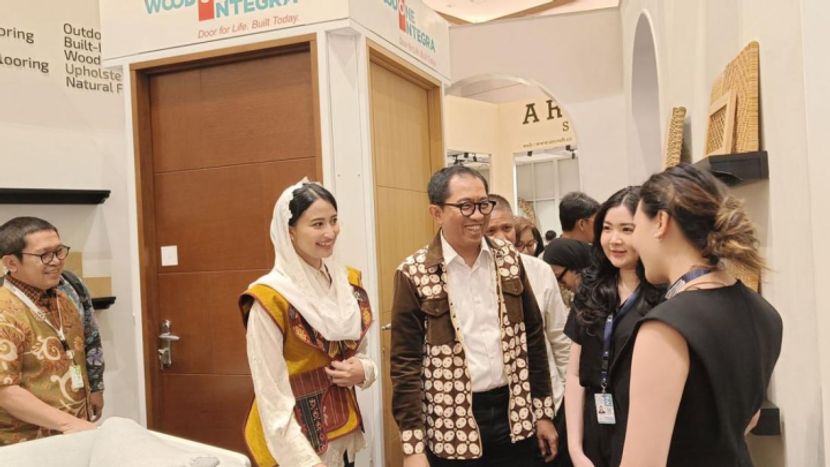
Chinese Enterprises Invest in Developing Indonesia's Bamboo Industry
The Ministry of Industry facilitates potential investors from China, Germany, and Europe who are interested in developing the bamboo industry in Indonesia. The Deputy Minister of Industry mentioned this during his speech at the opening ceremony of the Indonesia International Furniture Exhibition in Jakarta. These investors are eyeing approximately 9 million bamboo poles in Indonesia as raw materials, believing that Indonesian bamboo is superior to some raw materials in China, and its strength makes it a viable alternative to wood. The Deputy Minister stated that Betung is one of the strongest bamboo varieties considered to replace wood raw materials. He cannot yet detail how much these potential investors will invest, but the investment could
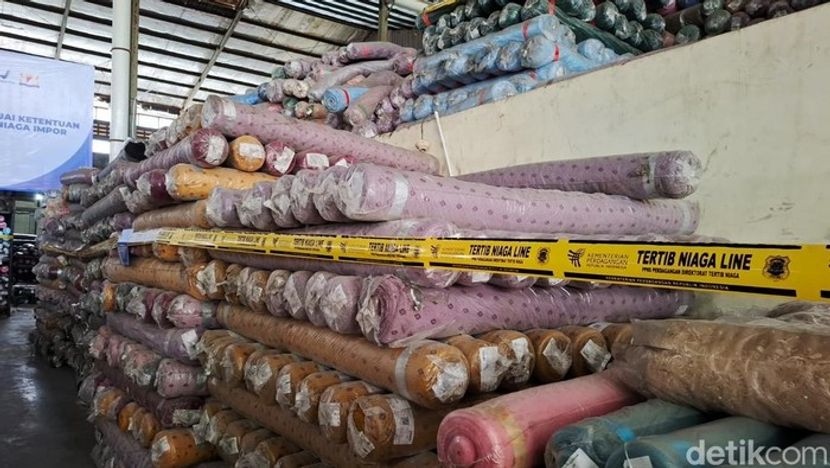
Indonesian Parliament Urges Government to Take Measures Against Illegal Imports
The Vice Chairman of Commission VII of the Indonesian Parliament urged the government to immediately take firm measures to save the domestic industry from the impact of massive imported goods. She emphasized that this issue cannot be handled solely by the Ministry of Industry but must involve all ministries and relevant institutions nationwide. She pointed out that the flood of imported goods is not only in the textile industry but also in electronics, footwear, and may even spread to the automotive industry, worsening the domestic industry and increasing layoffs across sectors. She requested the Minister of Trade to revoke ministerial regulations deemed to facilitate the entry of imported goods to the detriment of domestic companies, and also urged the Minister of Finance to revise ministerial regulations considered to provide convenience for imported goods entering
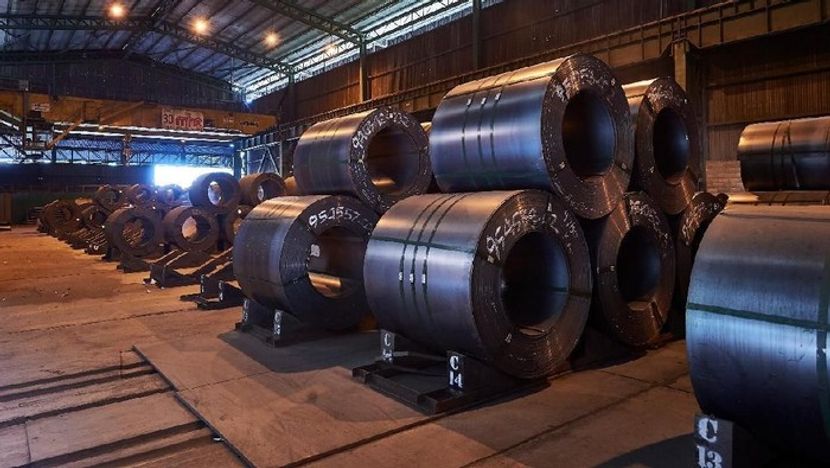
Steel Association Supports Imposition of Anti-Dumping Import Duties
The Indonesian Iron and Steel Industry Association (IISIA) welcomes the implementation of the Anti-Dumping Import Duty (BMAD) policy, which is considered capable of maintaining the competitiveness of the domestic steel industry and curbing lower-priced imported steel products. BMAD is an additional import duty imposed on imported products sold at prices far below their production costs or market prices in the country of origin; dumping practices weaken the competitiveness of domestic producers and reduce their market competitiveness. The Chairman of IISIA stated that BMAD helps drive the steel industry to improve its competitiveness, allowing domestic producers to continue production without worrying about dumping practices. BM