
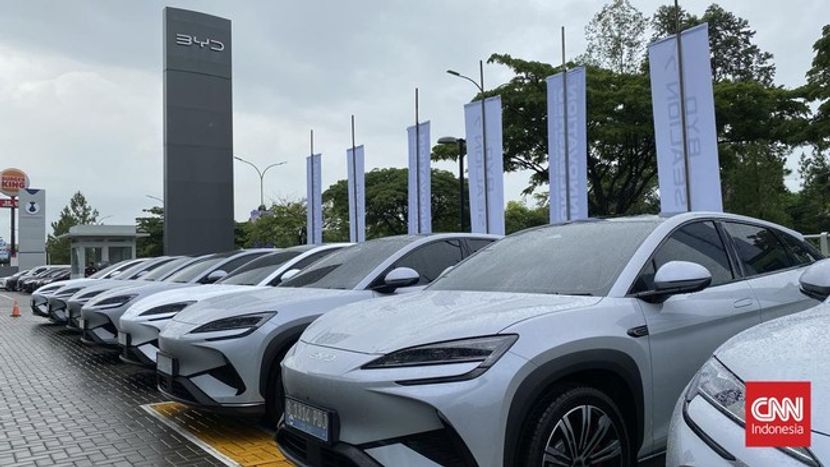
Three Chinese Brands Among Top 10 in Indonesia's Auto Market in March
Based on the March 2025 Indonesia auto market sales, BYD, as an electric vehicle manufacturer, broke into the top 10 best-selling car brands in Indonesia, ranking sixth with sales of 3,205 units, surpassing Hyundai which ranked seventh. Toyota continued to lead the market with wholesale sales of 22,476 units, followed by Daihatsu, Honda, Mitsubishi, and Suzuki. Additionally, two Chinese brands, Wuling and Chery, also entered the top 10 best-selling brands in March. In March, Indonesia's national auto retail sales decreased by 6.8% year-on-year but increased compared to February, with wholesale sales showing a similar trend over the same period. 2025
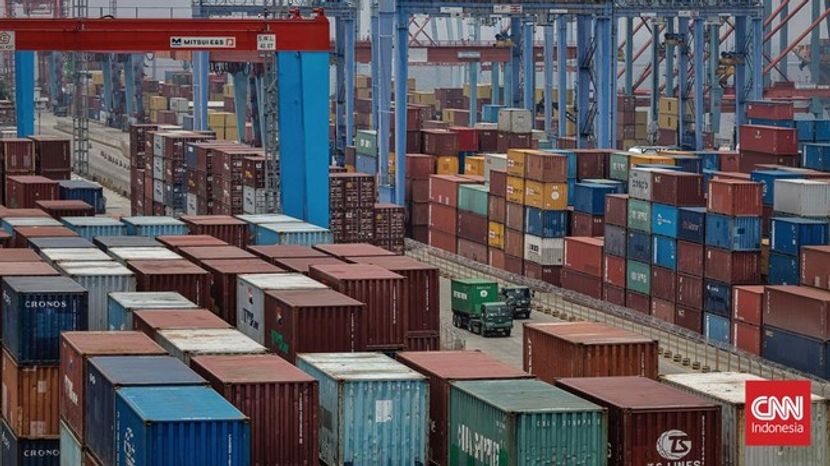
China Becomes Indonesia's Main Export Market for Coconuts
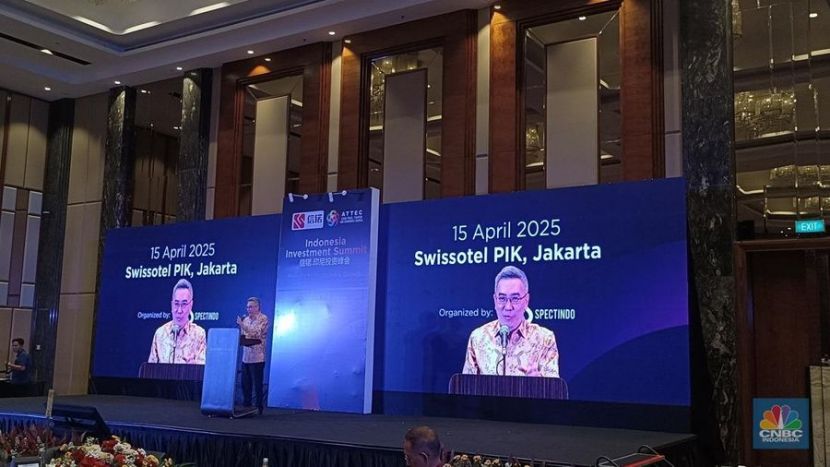
Advantages of China's Manufacturing Relocation to Indonesia

Indonesia's Foreign Exchange Reserves Hit Record High

Chinese E-commerce Platforms Banned from Entering the Indonesian Market
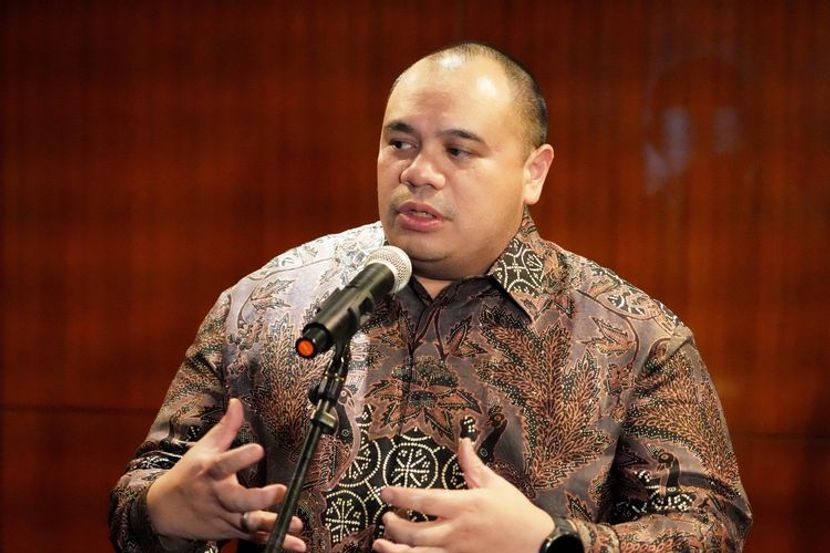
Indonesia's Waste-to-Energy Projects Show Great Potential
Indonesia's BPI Danantara Investment Authority stated that waste-to-energy businesses can break even and become profitable within 5-6 years. Although no investors have entered yet, the sector has attracted attention from Singapore, South Korea, Japan, China, and Europe. The agency's Chief Investment Officer said this business requires not only capital but also advanced technology, expecting investors to have global urban waste management experience. Indonesia's Coordinating Minister for Food Affairs also believes the business has huge potential, with many interested investors currently, but complex regulations hinder investment progress. He added that Danantara could participate in this industry.
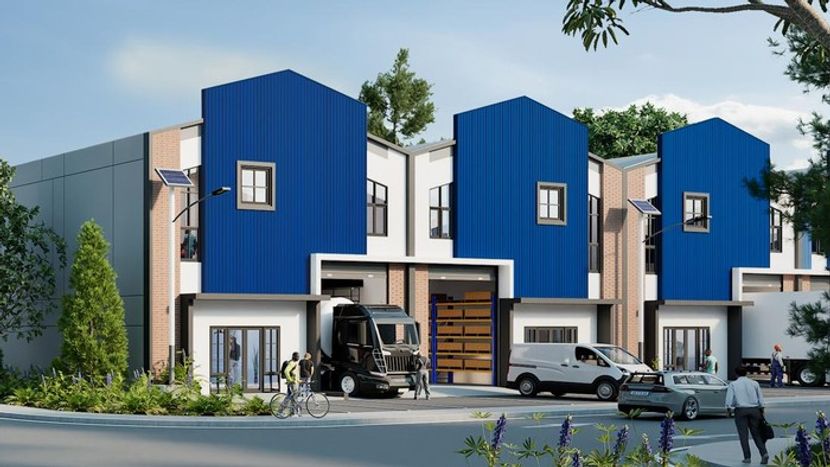
E-commerce Growth in Indonesia Drives Construction of Industrial Parks and Warehouses
The booming e-commerce sector in Indonesia is prompting developers to actively build industrial parks and warehouses. According to the e-Conomy SEA 2024 report, e-commerce is expected to become the largest contributor to Indonesia's digital economy in 2024, with an estimated value of USD 65 billion (approximately IDR 1,026.1 trillion). Agung Intiland, a developer of integrated industrial parks and warehouses in North Jakarta, is constructing new warehouses at Laksana Business Park. The project is strategically located near PIK 2 and Soekarno-Hatta International
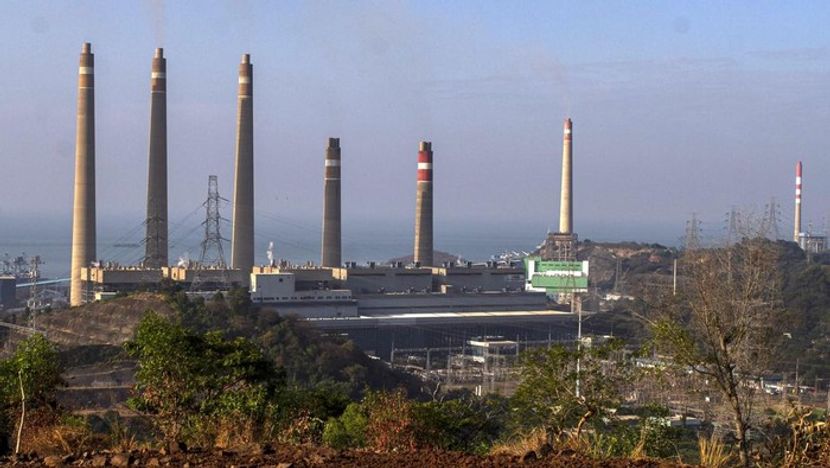
Indonesia's Coal Power Plant Capacity Continues to Rise, Adding 1.9 GW
Indonesia's coal power plant installed capacity continues to rise, adding 1.9 GW in 2024, ranking third globally, with 80% for specific purposes (captive power plants). As of 2024, Indonesia has 130 captive coal power plants with installed capacity of 30 MW or more in operation, and 21 under construction or in early stages. Since the signing of the Paris Agreement in 2015, Indonesia's coal power plant installed capacity has increased by 29 GW, currently at 54.7 GW, ranking fifth globally. The National Electricity General Plan (2024-2060) shows that Indonesia plans to add 26.7 GW of coal power capacity in the next 7 years,
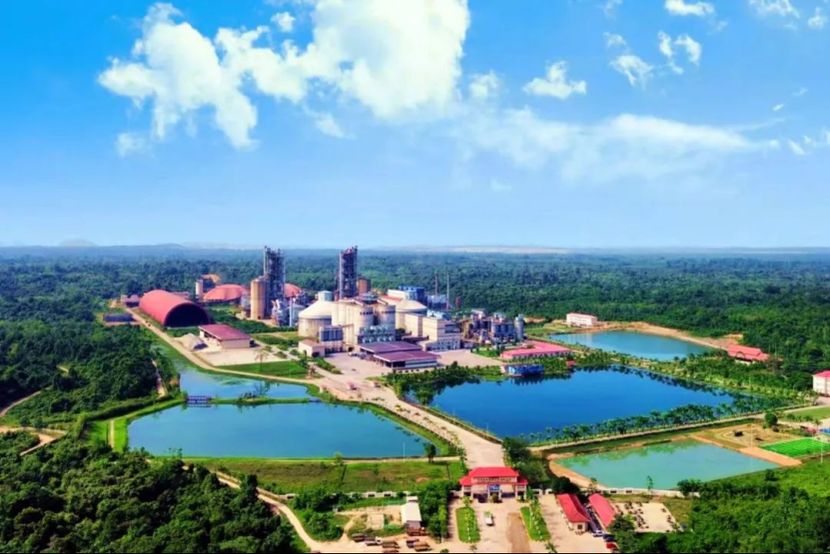
With 12 Million Tons Capacity, Chinese Cement Company Thrives in Indonesia
Conch Cement entered Indonesia in 2011, with a cumulative investment of over 8 billion yuan and a cement production capacity of 12 million tons/year. The company introduced international advanced production lines to Indonesia, reducing clinker production energy consumption and using intelligent systems to improve efficiency. After mining, land is reclaimed with a greening rate of over 90%. Some factories use pure low-temperature waste heat power generation technology, reducing coal use and CO2 emissions. Multiple factories have been rated as "Indonesia National Green Factory". The company adheres to a "localization" strategy, improving local employee skills through various training methods, with a regional comprehensive localization employment ratio of over 90%, cultivating many grassroots managers.
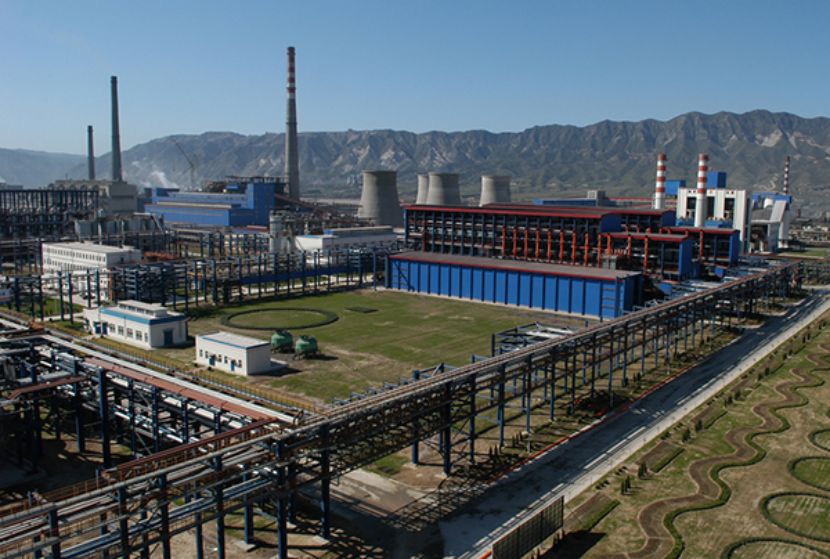
Chinese Enterprise Invests 4 Billion Yuan in Indonesian Alumina Project
Sichuan Tianfu Xinchuang Group recently announced that it will develop an alumina project in Central Kalimantan through its newly established subsidiary, PT Progressive Indonesia Alumina (PIA). The group confirmed in its latest corporate announcement that PIA was registered as a special purpose entity in 2024, aiming to advance the group's layout in Indonesia's downstream mineral sector. The project is located in the town of Sampit, Central Kalimantan. According to the announcement, Phase I will build a smelter-grade alumina plant with an annual capacity of 1 million tons, supported by logistics, energy, and factory infrastructure.
Major Adjustment to Indonesia's Import Policy Involving Import Quotas
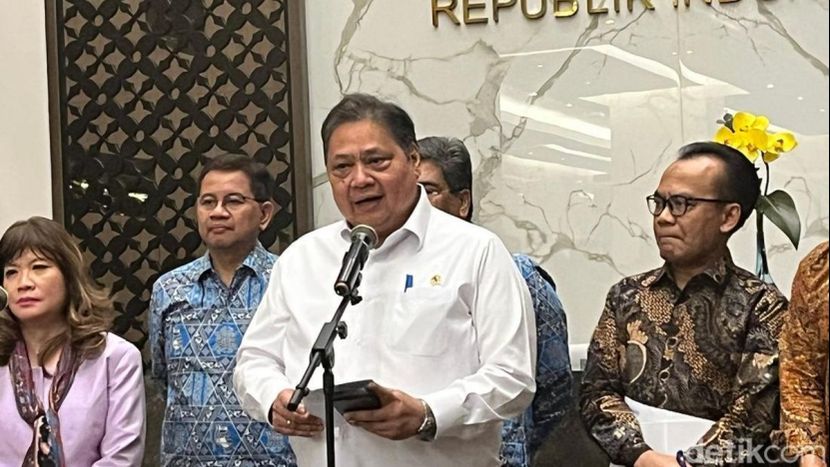
President Prabowo plans to make major adjustments to import policies, canceling import quotas for some goods. However, this measure does not mean fully opening imports; it only targets specific goods for which domestic production cannot meet demand and self-sufficiency has not yet been achieved. Taking the meat market as an example, Indonesia's domestic meat production currently cannot fully meet consumer demand and still relies on imports to fill the gap. Relevant data shows that beef and other livestock meats, as well as commodities such as soybeans and garlic, face supply shortages in the Indonesian market. Against this background, President Prabowo clearly stated at an economic seminar that
Chinese Smart Energy Enterprise Opens First Factory in Indonesia
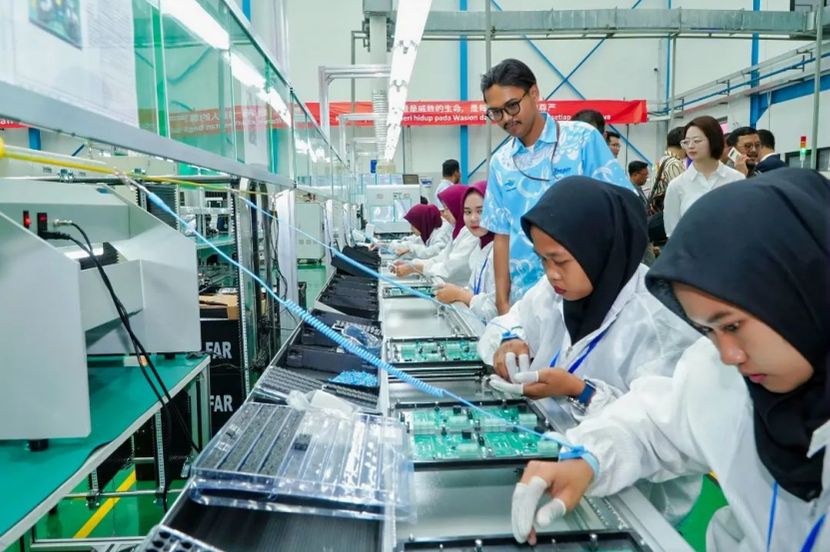
Wasion Information held the opening ceremony of PT WILLFAR Indonesia factory in the Bekasi Industrial Park. The chairman of Wasion Information emphasized the importance of the Indonesian market and the strategic significance of the opening, stating that the factory has full-process advanced manufacturing capabilities and will leverage technological advantages to meet Southeast Asian market demand, building a smart energy industry hub. Indonesian association chairmen and bank presidents affirmed its contribution to the local economy, expecting the factory to create jobs and promote new energy infrastructure upgrades. The Indonesia factory is the result of the dual-wheel drive of "technology going global" and "localized operations," focusing on R&D and production of digital smart grid and smart city products.