
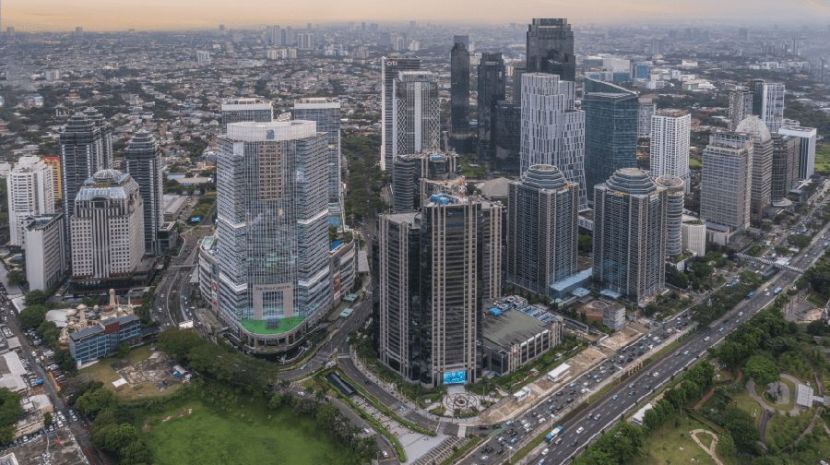
Jakarta Land Prices Continue to Rise
Jakarta land prices hit new highs, with the SCBD area surpassing Menteng and Sudirman. Land prices in the Jakarta Special Capital Region, especially in urban and commercial areas, continue to rise, with some land now reaching hundreds of billions of rupiah per square meter. SCBD (Sudirman Central Business District) approximately 20-30 billion rupiah per square meter (estimated, may change after transaction); Sudirman area approximately 18-20 billion rupiah per square meter; Menteng approximately 7-10 billion rupiah per square meter (due to proximity to business districts); Pondok Indah (high-end residential area) approximately 4-6 billion rupiah per square meter. The closer to the city center, the higher the land value, with the Sudirman Central Business District (SCBD) currently being the area with the highest land value in Jakarta.
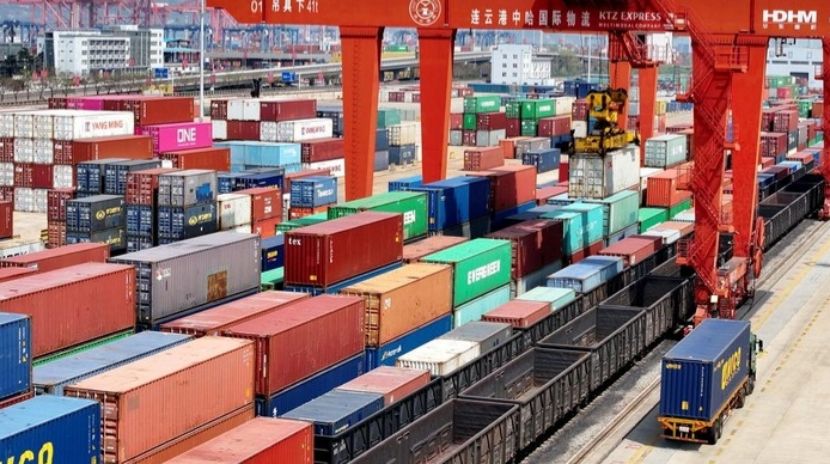
Seven Major Commodities with Surging Exports from China to Indonesia
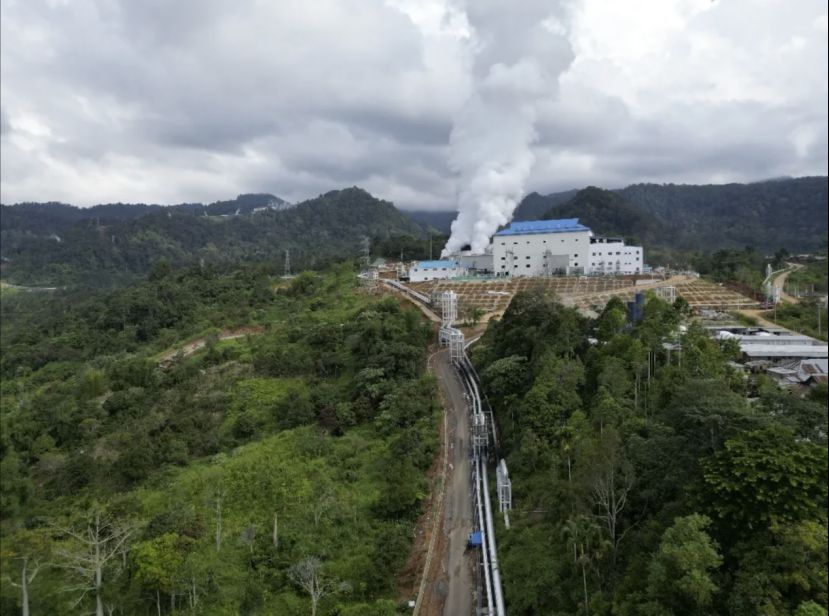
Geothermal Power Plant Designed by Chinese Company Officially Commissioned
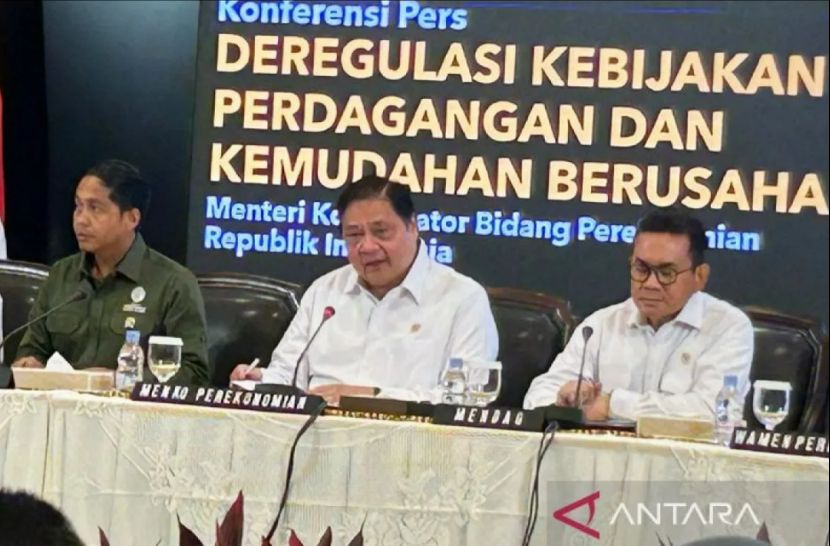
Indonesia Relaxes Import Restrictions on Ten Categories of Goods
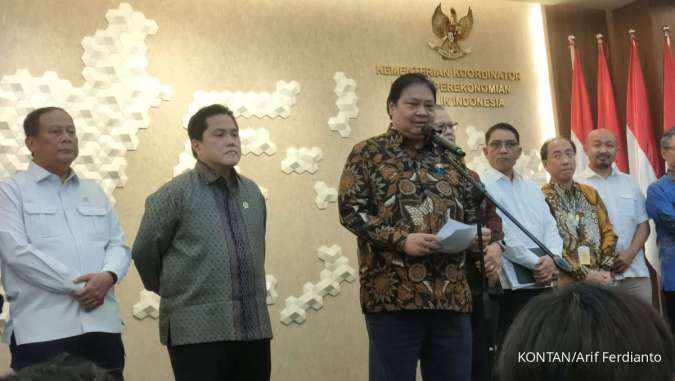
Indonesia to Increase Imports of US Oil and Agricultural Products
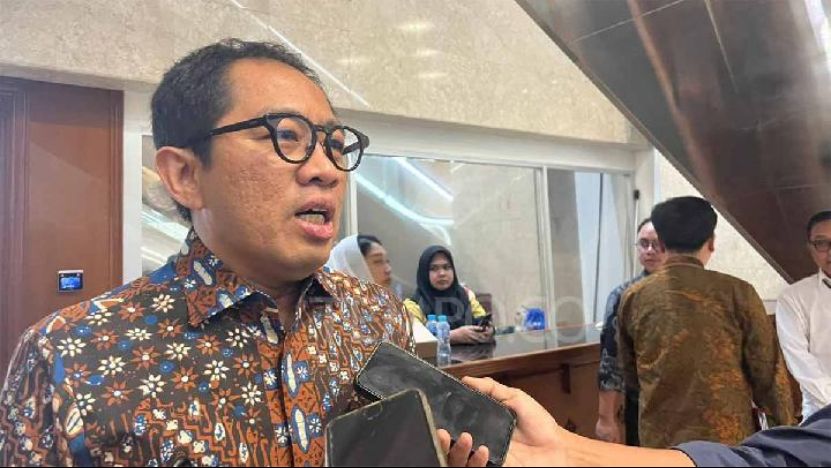
Indonesia to Impose Anti-Dumping Measures on Chinese Imported Goods
The Vice Minister of Industry recently stated that the government will implement anti-dumping or safeguard measures at border areas to prevent a massive influx of Chinese imported products. The core goal is to block Chinese products from entering the Indonesian market, avoid disruption to the local market, and protect domestic industries. Due to the China-US trade negotiations in Geneva, Switzerland, the US imposed a 30% tariff on Chinese products, and China imposed a 10% tariff on US products. Chinese products facing barriers to the US market may be diverted to Indonesia. In June 2025, Indonesia's Purchasing Managers' Index fell by 0.5%, with the manufacturing sector still in contraction, mainly due to weak new export orders, global market sentiment and trade policy uncertainties, and political dynamics. From January to April 2025, Indonesia's imports of textiles and textile products increased by 8.84%, and footwear imports rose by 30.89%. Indonesia has a high dependence on Chinese steel and aluminum imports, with steel imports accounting for 51.41% (approximately US$2.17 billion) and aluminum imports accounting for 46.1% (approximately US$1 billion). China may shift steel and aluminum products to Indonesia. The government will use anti-dumping or safeguard mechanism instruments to intensively monitor the dynamics of steel and aluminum products at border areas, in order to quickly respond to abnormal import surges and protect domestic production.
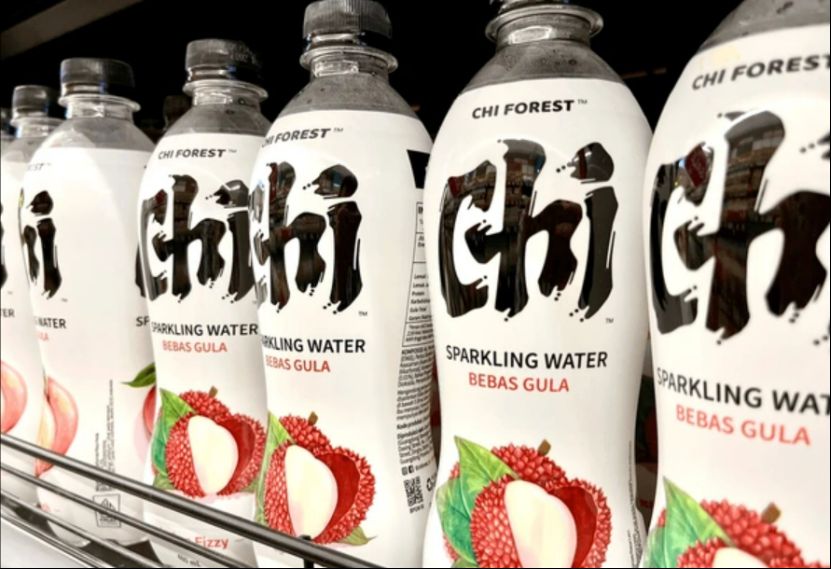
Chinese Beverage Brand Enters Indonesian Retail Market
In June 2025, the ice tea series under Chinese beverage company Genki Forest (Chi Forest) made its debut in mainstream Indonesian retail channels. The white peach jasmine and grapefruit green tea flavored Chi Forest iced teas were launched at Alfamart convenience stores on the streets of Indonesia, marking the second product line to enter the Indonesian market after sparkling water. At the same time, the bamboo grapefruit flavored sparkling water was also launched, enriching choices for local consumers. Genki Forest has built a network covering mainstream retail systems, selling in over 30,000 retail outlets across Indonesia. In 2022, Genki Forest entered the Indonesian market with a health-focused positioning of '0 sugar, 0 fat, 0 calories'
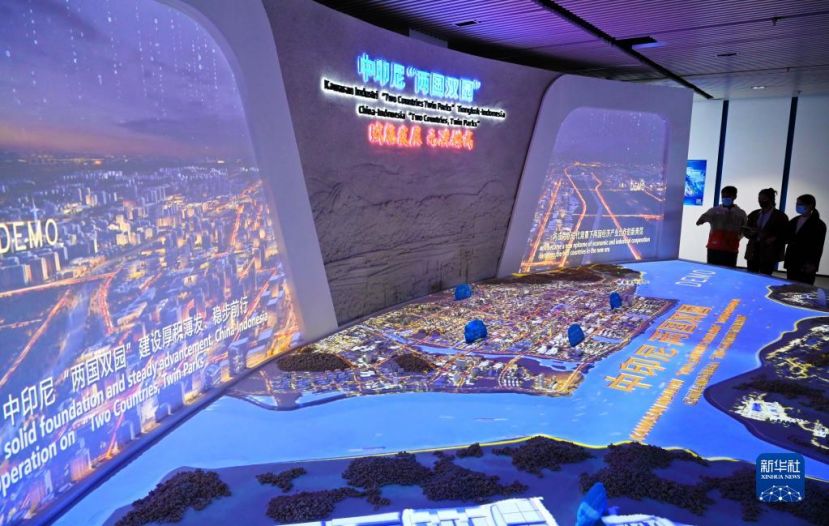
China-Indonesia 'Two Countries, Twin Parks' Focuses on Multi-Field Cooperation
After China opened quarantine access to fresh coconuts from Indonesia in November 2024, on April 12, 2025, 100 kg of fresh Indonesian coconuts arrived smoothly at Fuzhou Airport. Following customs quarantine clearance, they were delivered to Fujian Miaotianhui Food Co., Ltd., marking China's first import of fresh Indonesian coconuts and completing a key piece of the coconut industry cluster within the Fuzhou China-Indonesia 'Two Countries, Twin Parks'. The China park of the 'Two Countries, Twin Parks' has formed four major advantageous industries, with grain, oil, and food as the leading sector, alongside textiles and chemical fibers, light industrial machinery, and energy and fine chemicals. As of 2024, there are 112 registered above-scale enterprises, including 42 food processing enterprises, whose total above-scale output value accounts for over 60%.
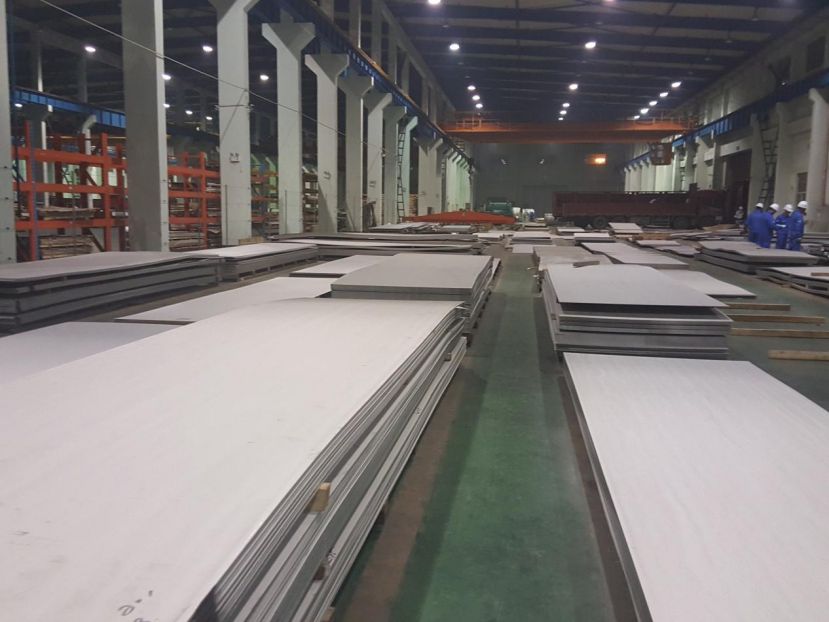
China Imposes Anti-Dumping Duties on Stainless Steel Imports from Indonesia
China's Ministry of Commerce recently issued an announcement, deciding to impose anti-dumping duties on imported stainless steel billets and stainless steel hot-rolled sheets/coils originating from Indonesia, the EU, Japan, and South Korea from July 1, 2025. The tax rates by region are: Indonesian companies 20.2%, EU companies 43.0%, Japanese companies 18.1%-29.0%, South Korean companies 23.1%-103.1%, with an implementation period of 5 years. The product scope includes stainless steel billets and stainless steel hot-rolled sheets/coils, defined as alloy steel with a carbon content of 1.2% or less and a chromium content of 10.5% or more, except cold-rolled. Billets are rectangular (non-square) cross-section or other semi-finished products. Hot-rolled sheets/coils are obtained by hot rolling billets, in coil or sheet form, regardless of width and thickness.
China Helps Indonesia Become ASEAN's Largest Automotive Battery Production Center
In June 2025, Indonesia's and even ASEAN's largest integrated electric vehicle battery production and sales chain project was officially launched. President Prabowo attended the groundbreaking ceremony, emphasizing that it is a result of China-Indonesia cooperation. The project involves Chinese company CATL and several other Chinese enterprises, with a total investment of 5.9 billion USD. Production bases are located in Karawang, West Java, East Halmahera, and North Maluku. The project will drive the development of 18 infrastructure projects, including multi-purpose port construction. Experts believe China is helping Indonesia become the largest new energy vehicle battery production center in ASEAN. This project helps Indonesia transform from a "raw material subsidiary" to a "developed industrial country", increasing the added value of raw materials such as nickel, in line with President Prabowo's continued industrial policy. Despite disputes between Indonesia and China in the South China Sea and US attempts to drive a wedge, China remains Indonesia's largest economic and trade partner. The battery cooperation project consolidates bilateral friendly relations and has significant implications for global political stability. Due to EU restrictions on importing Chinese electric vehicles, China is accelerating its strategy shift towards the Asia-Africa market. GAC Group has set up an electric vehicle assembly plant in West Java (second factory in Southeast Asia); BYD's assembly plant in West Java is expected to start production by the end of 2025. The new industrial cluster will support the development of China's new energy vehicles in Asia.
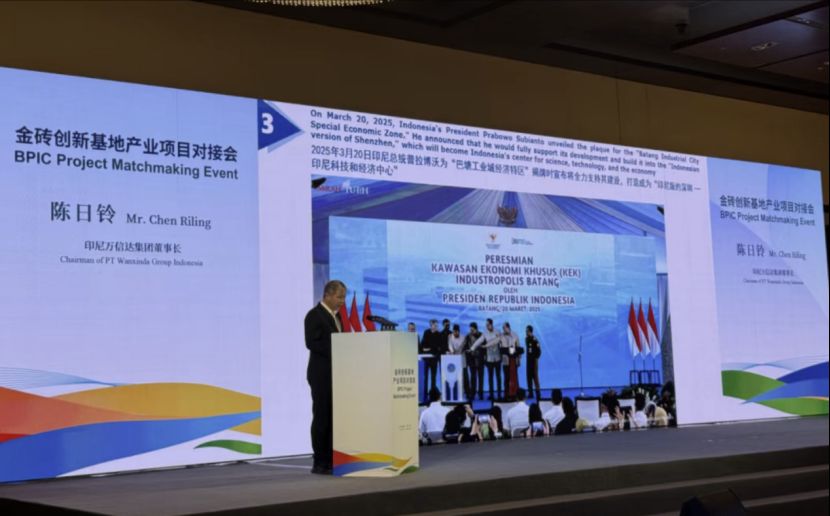
China-Indonesia Cooperation to Build Bandung Airport Industrial City Project
Recently at the BRICS Innovation Base Industry Project Matchmaking Meeting held in Beijing, the Indonesia Bandung Airport Industrial City (LCT) project became the highlight with the largest investment scale. The project is a joint development between Indonesia's Wanxinda Group and West Java Aerocity Development (PT BlB Aerocity Development), with an initial investment of 1.68 billion USD, planned to start construction in the second half of 2025. It covers 26,000 mu, leveraging the Bandung airport hub to build a comprehensive industrial new city. Key sectors include food processing, building materials manufacturing, home appliance production, and automotive industry.
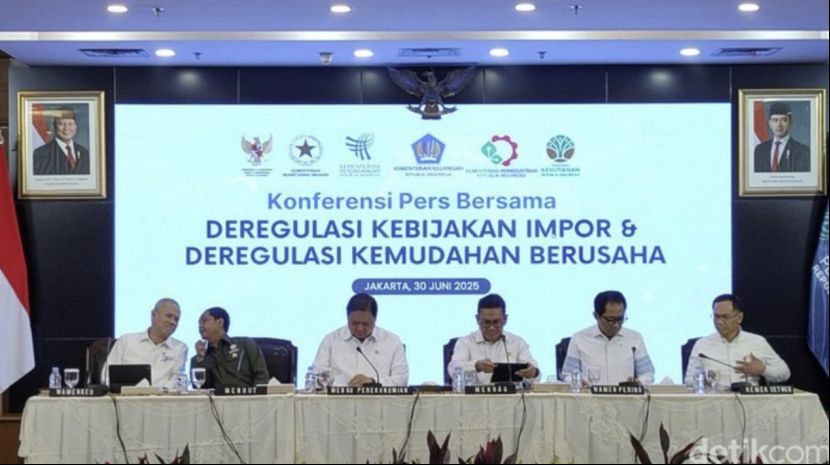
Indonesia relaxes import restrictions on ten categories of goods
The Indonesian government officially announced the first round of deregulation policies yesterday, aiming to facilitate business operations, enhance domestic industrial competitiveness, create an ecosystem supporting employment, and strengthen national economic resilience in response to global trade uncertainties. The Coordinating Minister for Economic Affairs and the Minister of Trade introduced the relevant policy content. Old regulations, such as the 2024 Minister of Trade Regulation No. 8 and the 2023 Minister of Trade Regulation No. 36, have been revoked, and nine new Minister of Trade Regulations have been introduced, classified by commodity clusters for easier future adjustments. These regulations cover general import policies and provisions, textiles and textile products, agricultural and livestock products, salt and fishery products, chemicals, hazardous goods and mineral materials, electronics and telecommunications products, specific industrial products, consumer goods, and imports of non-new goods and non-B3 waste.