


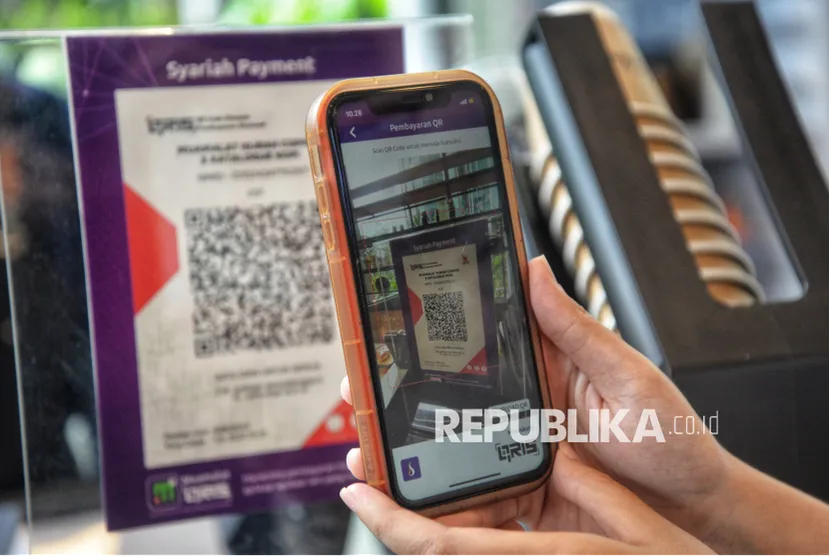
 Bank Indonesia is accelerating the cross-border interconnection of the Indonesian Standard QR Code (QRIS). After officially connecting with South Korea on April 1, 2026, it plans to extend QRIS payment to China next month, further expanding the use of Indonesian digital payments in Asia and strengthening cross-border transaction links. A deputy governor of the central bank stated that this cooperation will deeply integrate Indonesia's payment system with the global system. To date, QRIS cross-border payments have been implemented in Malaysia, Singapore, Thailand, Japan, and South Korea. After connecting with China, it will complete the payment connectivity with the "Asia Plus Three" (Japan, South Korea, China), aligning with the Indonesia Payment System Blueprint 2030 and focusing on the two core directions of technological innovation and international connectivity.
The QRIS cross-border system aims to make cross-border transactions faster, cheaper, and more convenient, while strictly adhering to security and risk management requirements. This system directly benefits both the public and merchants, especially facilitating outbound tourists and MSMEs in exploring overseas markets and improving regional and global market coverage efficiency. Domestically, QRIS has become the core pillar of retail digital payments, with penetration rates continuously rising, effectively improving payment efficiency and promoting financial inclusion.
From global data, QRIS cross-border transactions show an upward trend, with inbound transactions reaching 5.9 million and outbound transactions 1.7 million. She added that strengthening cross-border payment connectivity is highly consistent with the Asian Regional Payment Connectivity (RPC) agenda, helping to reduce long-standing cross-border transaction barriers. In the future, Indonesia will not only be a user but also actively participate in building a more inclusive global digital payment ecosystem, playing a more active role in regional digital economic cooperation.
Bank Indonesia is accelerating the cross-border interconnection of the Indonesian Standard QR Code (QRIS). After officially connecting with South Korea on April 1, 2026, it plans to extend QRIS payment to China next month, further expanding the use of Indonesian digital payments in Asia and strengthening cross-border transaction links. A deputy governor of the central bank stated that this cooperation will deeply integrate Indonesia's payment system with the global system. To date, QRIS cross-border payments have been implemented in Malaysia, Singapore, Thailand, Japan, and South Korea. After connecting with China, it will complete the payment connectivity with the "Asia Plus Three" (Japan, South Korea, China), aligning with the Indonesia Payment System Blueprint 2030 and focusing on the two core directions of technological innovation and international connectivity.
The QRIS cross-border system aims to make cross-border transactions faster, cheaper, and more convenient, while strictly adhering to security and risk management requirements. This system directly benefits both the public and merchants, especially facilitating outbound tourists and MSMEs in exploring overseas markets and improving regional and global market coverage efficiency. Domestically, QRIS has become the core pillar of retail digital payments, with penetration rates continuously rising, effectively improving payment efficiency and promoting financial inclusion.
From global data, QRIS cross-border transactions show an upward trend, with inbound transactions reaching 5.9 million and outbound transactions 1.7 million. She added that strengthening cross-border payment connectivity is highly consistent with the Asian Regional Payment Connectivity (RPC) agenda, helping to reduce long-standing cross-border transaction barriers. In the future, Indonesia will not only be a user but also actively participate in building a more inclusive global digital payment ecosystem, playing a more active role in regional digital economic cooperation.
Bank Indonesia is accelerating the cross-border interconnection of the Indonesian Standard QR Code (QRIS). After officially connecting with South Korea on April 1, 2026, it plans to extend QRIS payment to China next month, further expanding the use of Indonesian digital payments in Asia and strengthening cross-border transaction links. A deputy governor of the central bank stated that this cooperation will deeply integrate Indonesia's payment system with the global system. To date, QRIS cross-border payments have been implemented in Malaysia, Singapore, Thailand, Japan, and South Korea. After connecting with China, it will complete the payment connectivity with the "Asia Plus Three" (Japan, South Korea, China), aligning with the Indonesia Payment System Blueprint 2030 and focusing on the two core directions of technological innovation and international connectivity.
The QRIS cross-border system aims to make cross-border transactions faster, cheaper, and more convenient, while strictly adhering to security and risk management requirements. This system directly benefits both the public and merchants, especially facilitating outbound tourists and MSMEs in exploring overseas markets and improving regional and global market coverage efficiency. Domestically, QRIS has become the core pillar of retail digital payments, with penetration rates continuously rising, effectively improving payment efficiency and promoting financial inclusion.
From global data, QRIS cross-border transactions show an upward trend, with inbound transactions reaching 5.9 million and outbound transactions 1.7 million. She added that strengthening cross-border payment connectivity is highly consistent with the Asian Regional Payment Connectivity (RPC) agenda, helping to reduce long-standing cross-border transaction barriers. In the future, Indonesia will not only be a user but also actively participate in building a more inclusive global digital payment ecosystem, playing a more active role in regional digital economic cooperation.
Bank Indonesia is accelerating the cross-border interconnection of the Indonesian Standard QR Code (QRIS). After officially connecting with South Korea on April 1, 2026, it plans to extend QRIS payment to China next month, further expanding the use of Indonesian digital payments in Asia and strengthening cross-border transaction links. A deputy governor of the central bank stated that this cooperation will deeply integrate Indonesia's payment system with the global system. To date, QRIS cross-border payments have been implemented in Malaysia, Singapore, Thailand, Japan, and South Korea. After connecting with China, it will complete the payment connectivity with the "Asia Plus Three" (Japan, South Korea, China), aligning with the Indonesia Payment System Blueprint 2030 and focusing on the two core directions of technological innovation and international connectivity.
The QRIS cross-border system aims to make cross-border transactions faster, cheaper, and more convenient, while strictly adhering to security and risk management requirements. This system directly benefits both the public and merchants, especially facilitating outbound tourists and MSMEs in exploring overseas markets and improving regional and global market coverage efficiency. Domestically, QRIS has become the core pillar of retail digital payments, with penetration rates continuously rising, effectively improving payment efficiency and promoting financial inclusion.
From global data, QRIS cross-border transactions show an upward trend, with inbound transactions reaching 5.9 million and outbound transactions 1.7 million. She added that strengthening cross-border payment connectivity is highly consistent with the Asian Regional Payment Connectivity (RPC) agenda, helping to reduce long-standing cross-border transaction barriers. In the future, Indonesia will not only be a user but also actively participate in building a more inclusive global digital payment ecosystem, playing a more active role in regional digital economic cooperation.