


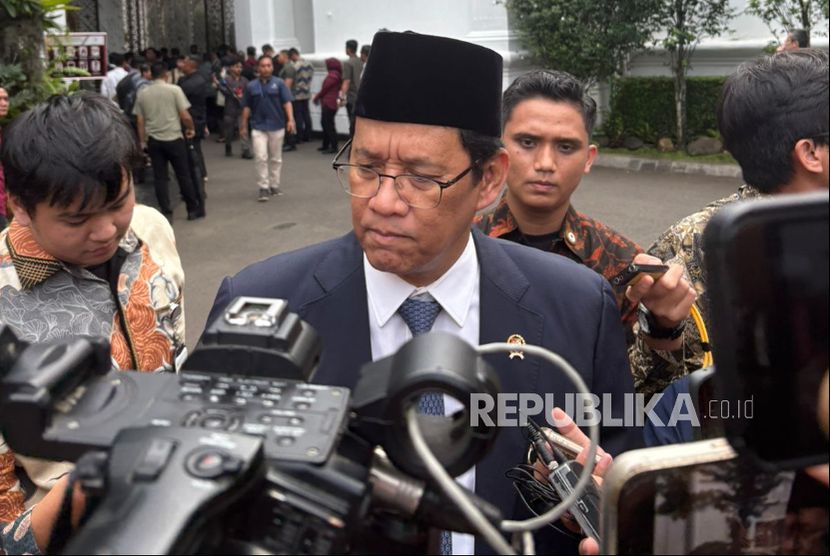
 The Indonesian government is intensifying efforts to combat under-invoicing in import transactions, which severely erodes national fiscal revenue. The Minister of Finance recently stated at the Coordinating Ministry for Economic Affairs office in Jakarta that tax authorities have discovered multiple companies engaging in under-invoicing and are actively pursuing investigations. He pointed out that import under-invoicing, where companies declare transaction amounts lower than actual prices, leads to a significant reduction in tax revenue that should have been collected. In preliminary random checks, the government found the problem to be widespread: among 10 companies inspected, all were found to have under-invoicing, with very obvious signs of violation. Currently, the Ministry of Finance is still calculating the specific losses caused by such practices to the state, and the final data is expected to be released only after the complete verification is concluded.
He stated that rectifying import price violations aims to effectively increase national fiscal revenue. At the same time, the government is continuously improving the tax system to plug loopholes for revenue leakage. He revealed that tax management and regulatory reforms have already shown results at the beginning of the year, with tax revenue in the first two months of this year increasing by about 30% year-on-year, of which VAT and luxury goods sales tax surged by 95%, reflecting a strong recovery in economic activity. He emphasized that the increase in national revenue not only relies on new policies but also depends on strictly investigating various violations that erode fiscal resources.
Regarding the state budget deficit issue, he clearly stated that under the current economic conditions, the government will not choose to expand the deficit. As long as the economy is in a normal state, the 3% deficit-to-GDP ceiling will be strictly adhered to, and relaxation will only be considered in crisis situations. He believes that Indonesia's current economic fundamentals are stable, economic activities are normal, and government spending is orderly, so there is no reason to relax the deficit limit. The government will prioritize maintaining fiscal health, and if budget pressure increases, it will respond through measures such as cost-cutting and efficiency improvement across departments.
Recently, due to uncertainties such as global oil price increases and Indonesian rupiah exchange rate fluctuations, discussions have emerged in Indonesia about whether to relax the deficit ceiling. However, many economists believe that Indonesia's current fiscal situation is already relatively fragile and should not expand the deficit. Data shows that the Indonesian government's debt-to-GDP ratio has risen from about 30% in 2019 to about 40% in 2025, and the proportion of debt interest payments to national revenue continues to climb, putting fiscal resilience under test.
The Indonesian government is intensifying efforts to combat under-invoicing in import transactions, which severely erodes national fiscal revenue. The Minister of Finance recently stated at the Coordinating Ministry for Economic Affairs office in Jakarta that tax authorities have discovered multiple companies engaging in under-invoicing and are actively pursuing investigations. He pointed out that import under-invoicing, where companies declare transaction amounts lower than actual prices, leads to a significant reduction in tax revenue that should have been collected. In preliminary random checks, the government found the problem to be widespread: among 10 companies inspected, all were found to have under-invoicing, with very obvious signs of violation. Currently, the Ministry of Finance is still calculating the specific losses caused by such practices to the state, and the final data is expected to be released only after the complete verification is concluded.
He stated that rectifying import price violations aims to effectively increase national fiscal revenue. At the same time, the government is continuously improving the tax system to plug loopholes for revenue leakage. He revealed that tax management and regulatory reforms have already shown results at the beginning of the year, with tax revenue in the first two months of this year increasing by about 30% year-on-year, of which VAT and luxury goods sales tax surged by 95%, reflecting a strong recovery in economic activity. He emphasized that the increase in national revenue not only relies on new policies but also depends on strictly investigating various violations that erode fiscal resources.
Regarding the state budget deficit issue, he clearly stated that under the current economic conditions, the government will not choose to expand the deficit. As long as the economy is in a normal state, the 3% deficit-to-GDP ceiling will be strictly adhered to, and relaxation will only be considered in crisis situations. He believes that Indonesia's current economic fundamentals are stable, economic activities are normal, and government spending is orderly, so there is no reason to relax the deficit limit. The government will prioritize maintaining fiscal health, and if budget pressure increases, it will respond through measures such as cost-cutting and efficiency improvement across departments.
Recently, due to uncertainties such as global oil price increases and Indonesian rupiah exchange rate fluctuations, discussions have emerged in Indonesia about whether to relax the deficit ceiling. However, many economists believe that Indonesia's current fiscal situation is already relatively fragile and should not expand the deficit. Data shows that the Indonesian government's debt-to-GDP ratio has risen from about 30% in 2019 to about 40% in 2025, and the proportion of debt interest payments to national revenue continues to climb, putting fiscal resilience under test.
The Indonesian government is intensifying efforts to combat under-invoicing in import transactions, which severely erodes national fiscal revenue. The Minister of Finance recently stated at the Coordinating Ministry for Economic Affairs office in Jakarta that tax authorities have discovered multiple companies engaging in under-invoicing and are actively pursuing investigations. He pointed out that import under-invoicing, where companies declare transaction amounts lower than actual prices, leads to a significant reduction in tax revenue that should have been collected. In preliminary random checks, the government found the problem to be widespread: among 10 companies inspected, all were found to have under-invoicing, with very obvious signs of violation. Currently, the Ministry of Finance is still calculating the specific losses caused by such practices to the state, and the final data is expected to be released only after the complete verification is concluded.
He stated that rectifying import price violations aims to effectively increase national fiscal revenue. At the same time, the government is continuously improving the tax system to plug loopholes for revenue leakage. He revealed that tax management and regulatory reforms have already shown results at the beginning of the year, with tax revenue in the first two months of this year increasing by about 30% year-on-year, of which VAT and luxury goods sales tax surged by 95%, reflecting a strong recovery in economic activity. He emphasized that the increase in national revenue not only relies on new policies but also depends on strictly investigating various violations that erode fiscal resources.
Regarding the state budget deficit issue, he clearly stated that under the current economic conditions, the government will not choose to expand the deficit. As long as the economy is in a normal state, the 3% deficit-to-GDP ceiling will be strictly adhered to, and relaxation will only be considered in crisis situations. He believes that Indonesia's current economic fundamentals are stable, economic activities are normal, and government spending is orderly, so there is no reason to relax the deficit limit. The government will prioritize maintaining fiscal health, and if budget pressure increases, it will respond through measures such as cost-cutting and efficiency improvement across departments.
Recently, due to uncertainties such as global oil price increases and Indonesian rupiah exchange rate fluctuations, discussions have emerged in Indonesia about whether to relax the deficit ceiling. However, many economists believe that Indonesia's current fiscal situation is already relatively fragile and should not expand the deficit. Data shows that the Indonesian government's debt-to-GDP ratio has risen from about 30% in 2019 to about 40% in 2025, and the proportion of debt interest payments to national revenue continues to climb, putting fiscal resilience under test.
The Indonesian government is intensifying efforts to combat under-invoicing in import transactions, which severely erodes national fiscal revenue. The Minister of Finance recently stated at the Coordinating Ministry for Economic Affairs office in Jakarta that tax authorities have discovered multiple companies engaging in under-invoicing and are actively pursuing investigations. He pointed out that import under-invoicing, where companies declare transaction amounts lower than actual prices, leads to a significant reduction in tax revenue that should have been collected. In preliminary random checks, the government found the problem to be widespread: among 10 companies inspected, all were found to have under-invoicing, with very obvious signs of violation. Currently, the Ministry of Finance is still calculating the specific losses caused by such practices to the state, and the final data is expected to be released only after the complete verification is concluded.
He stated that rectifying import price violations aims to effectively increase national fiscal revenue. At the same time, the government is continuously improving the tax system to plug loopholes for revenue leakage. He revealed that tax management and regulatory reforms have already shown results at the beginning of the year, with tax revenue in the first two months of this year increasing by about 30% year-on-year, of which VAT and luxury goods sales tax surged by 95%, reflecting a strong recovery in economic activity. He emphasized that the increase in national revenue not only relies on new policies but also depends on strictly investigating various violations that erode fiscal resources.
Regarding the state budget deficit issue, he clearly stated that under the current economic conditions, the government will not choose to expand the deficit. As long as the economy is in a normal state, the 3% deficit-to-GDP ceiling will be strictly adhered to, and relaxation will only be considered in crisis situations. He believes that Indonesia's current economic fundamentals are stable, economic activities are normal, and government spending is orderly, so there is no reason to relax the deficit limit. The government will prioritize maintaining fiscal health, and if budget pressure increases, it will respond through measures such as cost-cutting and efficiency improvement across departments.
Recently, due to uncertainties such as global oil price increases and Indonesian rupiah exchange rate fluctuations, discussions have emerged in Indonesia about whether to relax the deficit ceiling. However, many economists believe that Indonesia's current fiscal situation is already relatively fragile and should not expand the deficit. Data shows that the Indonesian government's debt-to-GDP ratio has risen from about 30% in 2019 to about 40% in 2025, and the proportion of debt interest payments to national revenue continues to climb, putting fiscal resilience under test.