


 With the deepening of "Artificial Intelligence +" and the "Belt and Road" initiative, medical AI has become an important field for China's technology going global. Shanghai-based SenseTime Medical, leveraging its hardcore technology to break geographical limitations, has launched its SenseCare® Chest X-ray Intelligent Analysis Solution in Indonesia, becoming China's first successful AI imaging inclusive solution to go overseas, injecting new momentum into the "Health Silk Road." Indonesia, as an important partner along the "Belt and Road," has long faced challenges of uneven distribution of medical resources and low efficiency of X-ray triage.
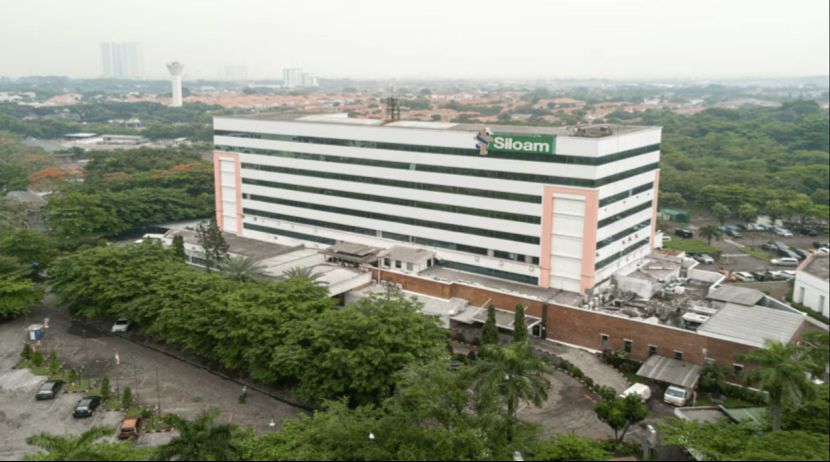
The largest private medical group in the country, Siloam Hospitals Group (managing 41 hospitals and 73 clinics, serving nearly 2 million patients annually), chose to cooperate with SenseTime Medical precisely because of its technological maturity and implementation capability. The SenseCare® solution tailored by SenseTime Medical for them, based on deep learning algorithms, can quickly and accurately identify abnormalities in three major areas: lungs, mediastinum, and bones (supporting auxiliary detection of more than ten diseases such as pneumothorax and pneumonia), providing quantitative analysis and structured reports, significantly improving doctors' reading efficiency and accuracy, becoming a "smart assistant" for local doctors. This cooperation is not a simple technology introduction, but deeply integrates into the Indonesian healthcare system through three localization initiatives: first, the algorithm integrates data from East and West as well as local anonymized data, balancing inclusiveness and fairness; second, model fine-tuning strictly follows Indonesian clinical guidelines, ensuring diagnostic logic aligns with local doctors' thinking; third, the entire process supports Indonesian language interface and report standards, lowering the usage threshold. With a "low-cost, high-accessibility" model, this solution promotes a "zero breakthrough" for AI diagnosis in Indonesia, contributing to the sustainable development of the healthcare system.
Currently, SenseTime Medical's business covers more than ten countries and regions worldwide, including Hong Kong, Singapore, and Indonesia. Its previous cooperation with Parkway Pantai Hospital Singapore was even selected into a national case collection. The successful practice in Indonesia's Siloam has proven that a going-global model centered on "localization" can effectively adapt to the healthcare needs of countries at different development stages, providing a credible model for global inclusive healthcare. In the future, SenseTime Medical will continue to deepen this path, enabling smart healthcare services to benefit more countries along the "Belt and Road," contributing Chinese wisdom to building a global community of health for all.
With the deepening of "Artificial Intelligence +" and the "Belt and Road" initiative, medical AI has become an important field for China's technology going global. Shanghai-based SenseTime Medical, leveraging its hardcore technology to break geographical limitations, has launched its SenseCare® Chest X-ray Intelligent Analysis Solution in Indonesia, becoming China's first successful AI imaging inclusive solution to go overseas, injecting new momentum into the "Health Silk Road." Indonesia, as an important partner along the "Belt and Road," has long faced challenges of uneven distribution of medical resources and low efficiency of X-ray triage.
The largest private medical group in the country, Siloam Hospitals Group (managing 41 hospitals and 73 clinics, serving nearly 2 million patients annually), chose to cooperate with SenseTime Medical precisely because of its technological maturity and implementation capability. The SenseCare® solution tailored by SenseTime Medical for them, based on deep learning algorithms, can quickly and accurately identify abnormalities in three major areas: lungs, mediastinum, and bones (supporting auxiliary detection of more than ten diseases such as pneumothorax and pneumonia), providing quantitative analysis and structured reports, significantly improving doctors' reading efficiency and accuracy, becoming a "smart assistant" for local doctors. This cooperation is not a simple technology introduction, but deeply integrates into the Indonesian healthcare system through three localization initiatives: first, the algorithm integrates data from East and West as well as local anonymized data, balancing inclusiveness and fairness; second, model fine-tuning strictly follows Indonesian clinical guidelines, ensuring diagnostic logic aligns with local doctors' thinking; third, the entire process supports Indonesian language interface and report standards, lowering the usage threshold. With a "low-cost, high-accessibility" model, this solution promotes a "zero breakthrough" for AI diagnosis in Indonesia, contributing to the sustainable development of the healthcare system.
Currently, SenseTime Medical's business covers more than ten countries and regions worldwide, including Hong Kong, Singapore, and Indonesia. Its previous cooperation with Parkway Pantai Hospital Singapore was even selected into a national case collection. The successful practice in Indonesia's Siloam has proven that a going-global model centered on "localization" can effectively adapt to the healthcare needs of countries at different development stages, providing a credible model for global inclusive healthcare. In the future, SenseTime Medical will continue to deepen this path, enabling smart healthcare services to benefit more countries along the "Belt and Road," contributing Chinese wisdom to building a global community of health for all.
With the deepening of "Artificial Intelligence +" and the "Belt and Road" initiative, medical AI has become an important field for China's technology going global. Shanghai-based SenseTime Medical, leveraging its hardcore technology to break geographical limitations, has launched its SenseCare® Chest X-ray Intelligent Analysis Solution in Indonesia, becoming China's first successful AI imaging inclusive solution to go overseas, injecting new momentum into the "Health Silk Road." Indonesia, as an important partner along the "Belt and Road," has long faced challenges of uneven distribution of medical resources and low efficiency of X-ray triage.
The largest private medical group in the country, Siloam Hospitals Group (managing 41 hospitals and 73 clinics, serving nearly 2 million patients annually), chose to cooperate with SenseTime Medical precisely because of its technological maturity and implementation capability. The SenseCare® solution tailored by SenseTime Medical for them, based on deep learning algorithms, can quickly and accurately identify abnormalities in three major areas: lungs, mediastinum, and bones (supporting auxiliary detection of more than ten diseases such as pneumothorax and pneumonia), providing quantitative analysis and structured reports, significantly improving doctors' reading efficiency and accuracy, becoming a "smart assistant" for local doctors. This cooperation is not a simple technology introduction, but deeply integrates into the Indonesian healthcare system through three localization initiatives: first, the algorithm integrates data from East and West as well as local anonymized data, balancing inclusiveness and fairness; second, model fine-tuning strictly follows Indonesian clinical guidelines, ensuring diagnostic logic aligns with local doctors' thinking; third, the entire process supports Indonesian language interface and report standards, lowering the usage threshold. With a "low-cost, high-accessibility" model, this solution promotes a "zero breakthrough" for AI diagnosis in Indonesia, contributing to the sustainable development of the healthcare system.
Currently, SenseTime Medical's business covers more than ten countries and regions worldwide, including Hong Kong, Singapore, and Indonesia. Its previous cooperation with Parkway Pantai Hospital Singapore was even selected into a national case collection. The successful practice in Indonesia's Siloam has proven that a going-global model centered on "localization" can effectively adapt to the healthcare needs of countries at different development stages, providing a credible model for global inclusive healthcare. In the future, SenseTime Medical will continue to deepen this path, enabling smart healthcare services to benefit more countries along the "Belt and Road," contributing Chinese wisdom to building a global community of health for all.
With the deepening of "Artificial Intelligence +" and the "Belt and Road" initiative, medical AI has become an important field for China's technology going global. Shanghai-based SenseTime Medical, leveraging its hardcore technology to break geographical limitations, has launched its SenseCare® Chest X-ray Intelligent Analysis Solution in Indonesia, becoming China's first successful AI imaging inclusive solution to go overseas, injecting new momentum into the "Health Silk Road." Indonesia, as an important partner along the "Belt and Road," has long faced challenges of uneven distribution of medical resources and low efficiency of X-ray triage.
The largest private medical group in the country, Siloam Hospitals Group (managing 41 hospitals and 73 clinics, serving nearly 2 million patients annually), chose to cooperate with SenseTime Medical precisely because of its technological maturity and implementation capability. The SenseCare® solution tailored by SenseTime Medical for them, based on deep learning algorithms, can quickly and accurately identify abnormalities in three major areas: lungs, mediastinum, and bones (supporting auxiliary detection of more than ten diseases such as pneumothorax and pneumonia), providing quantitative analysis and structured reports, significantly improving doctors' reading efficiency and accuracy, becoming a "smart assistant" for local doctors. This cooperation is not a simple technology introduction, but deeply integrates into the Indonesian healthcare system through three localization initiatives: first, the algorithm integrates data from East and West as well as local anonymized data, balancing inclusiveness and fairness; second, model fine-tuning strictly follows Indonesian clinical guidelines, ensuring diagnostic logic aligns with local doctors' thinking; third, the entire process supports Indonesian language interface and report standards, lowering the usage threshold. With a "low-cost, high-accessibility" model, this solution promotes a "zero breakthrough" for AI diagnosis in Indonesia, contributing to the sustainable development of the healthcare system.
Currently, SenseTime Medical's business covers more than ten countries and regions worldwide, including Hong Kong, Singapore, and Indonesia. Its previous cooperation with Parkway Pantai Hospital Singapore was even selected into a national case collection. The successful practice in Indonesia's Siloam has proven that a going-global model centered on "localization" can effectively adapt to the healthcare needs of countries at different development stages, providing a credible model for global inclusive healthcare. In the future, SenseTime Medical will continue to deepen this path, enabling smart healthcare services to benefit more countries along the "Belt and Road," contributing Chinese wisdom to building a global community of health for all.