


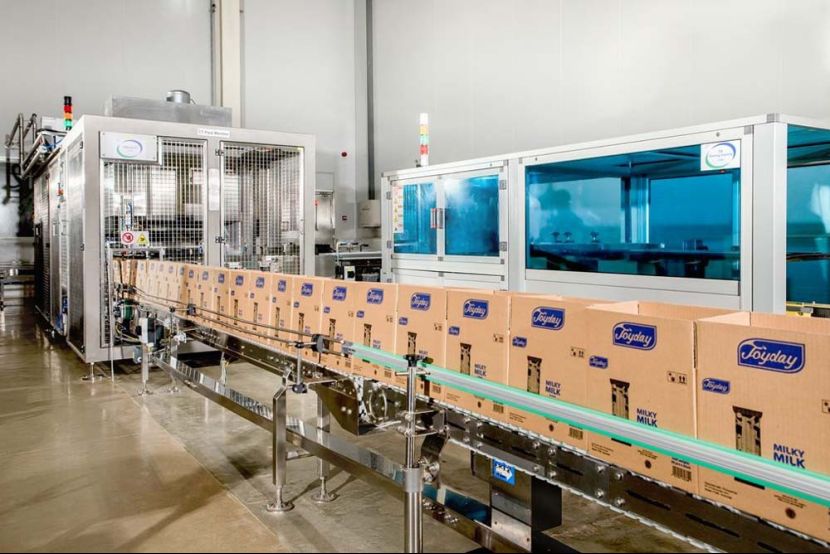
 Indonesia's manufacturing sector achieved 5.15% growth in 2025, the highest growth rate since the COVID-19 pandemic, surpassing the national economic growth rate of 5.11%. It became the largest pillar of economic growth for the year, contributing 1.07% to economic growth, the highest level in four years. This growth was mainly supported by government downstream industrial chain projects, especially the basic metal industry, which grew by 15.71%, driven largely by the downstream policy for minerals such as nickel.
Meanwhile, the machinery and equipment industry grew by 13.98%, driven by a significant increase in machinery and equipment imports in 2025: electrical machinery equipment (HS85) imports rose by 17.22% to US$31.88 billion; machinery equipment (HS84) imports grew by 7.75% to US$36.64 billion.
But behind these impressive figures lie structural concerns. Celios economic experts pointed out that the high-growth industries are not labor-intensive, while sectors that actually absorb a large workforce are shrinking: wood and wood products contracted by -3.29%, rubber industry contracted by -4.07%, and transportation equipment contracted by -2.64%.
This has led to the manufacturing sector's overall weak employment absorption capacity, with the largest domestic employment contribution still coming from the food and beverage processing industry. Additionally, although downstream industries such as basic metals have grown strongly, they are characterized by high environmental impact and unsustainability. In contrast, the food and beverage industry grew by 6.39%, supported by stable domestic production of rice, palm oil, and their derivatives, along with domestic and foreign demand, making it a stable and sustainable segment within manufacturing.
The Central Statistics Bureau emphasized that manufacturing remains the core pillar of the national economy, but issues such as structural imbalance, insufficient employment generation, and environmental pressure are challenges that must be addressed for future industrial upgrading.
Indonesia's manufacturing sector achieved 5.15% growth in 2025, the highest growth rate since the COVID-19 pandemic, surpassing the national economic growth rate of 5.11%. It became the largest pillar of economic growth for the year, contributing 1.07% to economic growth, the highest level in four years. This growth was mainly supported by government downstream industrial chain projects, especially the basic metal industry, which grew by 15.71%, driven largely by the downstream policy for minerals such as nickel.
Meanwhile, the machinery and equipment industry grew by 13.98%, driven by a significant increase in machinery and equipment imports in 2025: electrical machinery equipment (HS85) imports rose by 17.22% to US$31.88 billion; machinery equipment (HS84) imports grew by 7.75% to US$36.64 billion.
But behind these impressive figures lie structural concerns. Celios economic experts pointed out that the high-growth industries are not labor-intensive, while sectors that actually absorb a large workforce are shrinking: wood and wood products contracted by -3.29%, rubber industry contracted by -4.07%, and transportation equipment contracted by -2.64%.
This has led to the manufacturing sector's overall weak employment absorption capacity, with the largest domestic employment contribution still coming from the food and beverage processing industry. Additionally, although downstream industries such as basic metals have grown strongly, they are characterized by high environmental impact and unsustainability. In contrast, the food and beverage industry grew by 6.39%, supported by stable domestic production of rice, palm oil, and their derivatives, along with domestic and foreign demand, making it a stable and sustainable segment within manufacturing.
The Central Statistics Bureau emphasized that manufacturing remains the core pillar of the national economy, but issues such as structural imbalance, insufficient employment generation, and environmental pressure are challenges that must be addressed for future industrial upgrading.
Indonesia's manufacturing sector achieved 5.15% growth in 2025, the highest growth rate since the COVID-19 pandemic, surpassing the national economic growth rate of 5.11%. It became the largest pillar of economic growth for the year, contributing 1.07% to economic growth, the highest level in four years. This growth was mainly supported by government downstream industrial chain projects, especially the basic metal industry, which grew by 15.71%, driven largely by the downstream policy for minerals such as nickel.
Meanwhile, the machinery and equipment industry grew by 13.98%, driven by a significant increase in machinery and equipment imports in 2025: electrical machinery equipment (HS85) imports rose by 17.22% to US$31.88 billion; machinery equipment (HS84) imports grew by 7.75% to US$36.64 billion.
But behind these impressive figures lie structural concerns. Celios economic experts pointed out that the high-growth industries are not labor-intensive, while sectors that actually absorb a large workforce are shrinking: wood and wood products contracted by -3.29%, rubber industry contracted by -4.07%, and transportation equipment contracted by -2.64%.
This has led to the manufacturing sector's overall weak employment absorption capacity, with the largest domestic employment contribution still coming from the food and beverage processing industry. Additionally, although downstream industries such as basic metals have grown strongly, they are characterized by high environmental impact and unsustainability. In contrast, the food and beverage industry grew by 6.39%, supported by stable domestic production of rice, palm oil, and their derivatives, along with domestic and foreign demand, making it a stable and sustainable segment within manufacturing.
The Central Statistics Bureau emphasized that manufacturing remains the core pillar of the national economy, but issues such as structural imbalance, insufficient employment generation, and environmental pressure are challenges that must be addressed for future industrial upgrading.
Indonesia's manufacturing sector achieved 5.15% growth in 2025, the highest growth rate since the COVID-19 pandemic, surpassing the national economic growth rate of 5.11%. It became the largest pillar of economic growth for the year, contributing 1.07% to economic growth, the highest level in four years. This growth was mainly supported by government downstream industrial chain projects, especially the basic metal industry, which grew by 15.71%, driven largely by the downstream policy for minerals such as nickel.
Meanwhile, the machinery and equipment industry grew by 13.98%, driven by a significant increase in machinery and equipment imports in 2025: electrical machinery equipment (HS85) imports rose by 17.22% to US$31.88 billion; machinery equipment (HS84) imports grew by 7.75% to US$36.64 billion.
But behind these impressive figures lie structural concerns. Celios economic experts pointed out that the high-growth industries are not labor-intensive, while sectors that actually absorb a large workforce are shrinking: wood and wood products contracted by -3.29%, rubber industry contracted by -4.07%, and transportation equipment contracted by -2.64%.
This has led to the manufacturing sector's overall weak employment absorption capacity, with the largest domestic employment contribution still coming from the food and beverage processing industry. Additionally, although downstream industries such as basic metals have grown strongly, they are characterized by high environmental impact and unsustainability. In contrast, the food and beverage industry grew by 6.39%, supported by stable domestic production of rice, palm oil, and their derivatives, along with domestic and foreign demand, making it a stable and sustainable segment within manufacturing.
The Central Statistics Bureau emphasized that manufacturing remains the core pillar of the national economy, but issues such as structural imbalance, insufficient employment generation, and environmental pressure are challenges that must be addressed for future industrial upgrading.