


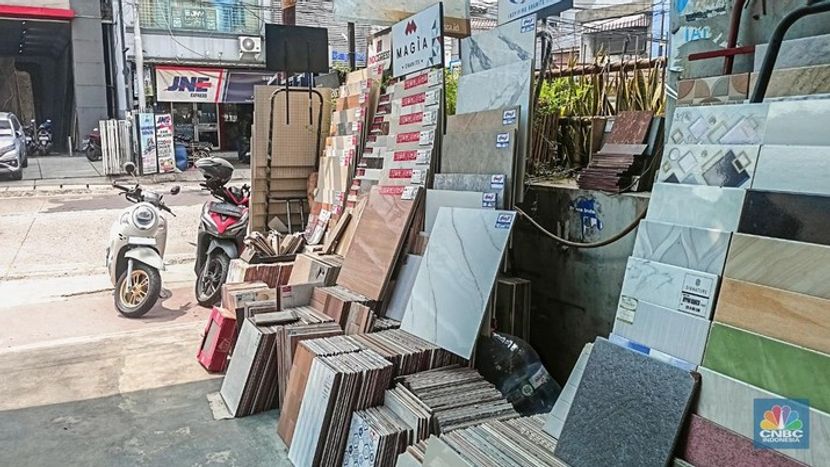
 Indonesia has officially imposed additional anti-dumping import duties (BMAD) on ceramic tile products imported from China. This policy was determined by the Minister of Finance through the issuance of Minister of Finance Regulation (PMK) Number 70 of 2024 concerning the imposition of anti-dumping import duties on ceramic tile products imported from China.The PMK was signed by the Minister of Finance on October 9, 2024, and takes effect 10 days after its promulgation on October 14, 2024, specifically on October 24, 2024. The PMK is valid for 5 years. The General Chairman of the Indonesian Ceramic Industry Association (ASAKI) stated that the introduction of BMAD will mark the beginning of the revival of the national ceramic industry, which has suffered severe damage over the past decade due to dumping practices, leading to the closure of many factories and a decline in the utilization rate of national ceramic products. Meanwhile, the BMAD rate did not reach the 100% figure predicted a few months ago. Although the set BMAD rate is only around 35% to 50%, Asaki remains positive, noting that this is still lower than the hoped-for rate of over 100%, as seen in other countries like Mexico and the United States. The current hope of business participants is to extend the safeguard import duties so that they can take effect on schedule in November to complement the BMAD percentage.
Tightening imports of Chinese ceramics is expected to immediately restore the current national ceramic production utilization rate of 63%, and raise it to 67-68% by the end of 2024. Companies have set targets to achieve a national production utilization rate of 80% by 2025 and 90% by 2026. In terms of installed capacity, the Indonesian ceramic industry ranks fourth among ceramic-producing countries worldwide, at 675 million square meters per year, behind China, India, and Brazil. However, in terms of actual production capacity, it ranks only eighth globally. ASAKI aims to enter the top 5 ceramic manufacturing countries worldwide by 2025. Minister of Finance Regulation (PMK) Number 70 of 2024 imposes anti-dumping import duties on ceramic tile products imported from China. The import duties are based on the findings of the Indonesian Anti-Dumping Committee, which found evidence of dumping practices on ceramic tile products originating from China. This has caused losses to the domestic industry, and a causal link has been found between the dumping and the losses suffered by the domestic industry. Anti-dumping import duties are imposed on ceramic tile products originating from China under HS codes 6907.21.24, 6907.21.91, 6907.21.92, 6907.21.93, 6907.21.94, 6907.22.91, 6907.22.92, 6907.22.93, 6907.22.94, 6907.40.91, and 6907.40.92. The appendix to the regulation also lists 32 Chinese companies subject to BMAD, with duties ranging from a minimum of IDR 13,446 per square meter to a maximum of IDR 94,544 per square meter.
Indonesia has officially imposed additional anti-dumping import duties (BMAD) on ceramic tile products imported from China. This policy was determined by the Minister of Finance through the issuance of Minister of Finance Regulation (PMK) Number 70 of 2024 concerning the imposition of anti-dumping import duties on ceramic tile products imported from China.The PMK was signed by the Minister of Finance on October 9, 2024, and takes effect 10 days after its promulgation on October 14, 2024, specifically on October 24, 2024. The PMK is valid for 5 years. The General Chairman of the Indonesian Ceramic Industry Association (ASAKI) stated that the introduction of BMAD will mark the beginning of the revival of the national ceramic industry, which has suffered severe damage over the past decade due to dumping practices, leading to the closure of many factories and a decline in the utilization rate of national ceramic products. Meanwhile, the BMAD rate did not reach the 100% figure predicted a few months ago. Although the set BMAD rate is only around 35% to 50%, Asaki remains positive, noting that this is still lower than the hoped-for rate of over 100%, as seen in other countries like Mexico and the United States. The current hope of business participants is to extend the safeguard import duties so that they can take effect on schedule in November to complement the BMAD percentage.
Tightening imports of Chinese ceramics is expected to immediately restore the current national ceramic production utilization rate of 63%, and raise it to 67-68% by the end of 2024. Companies have set targets to achieve a national production utilization rate of 80% by 2025 and 90% by 2026. In terms of installed capacity, the Indonesian ceramic industry ranks fourth among ceramic-producing countries worldwide, at 675 million square meters per year, behind China, India, and Brazil. However, in terms of actual production capacity, it ranks only eighth globally. ASAKI aims to enter the top 5 ceramic manufacturing countries worldwide by 2025. Minister of Finance Regulation (PMK) Number 70 of 2024 imposes anti-dumping import duties on ceramic tile products imported from China. The import duties are based on the findings of the Indonesian Anti-Dumping Committee, which found evidence of dumping practices on ceramic tile products originating from China. This has caused losses to the domestic industry, and a causal link has been found between the dumping and the losses suffered by the domestic industry. Anti-dumping import duties are imposed on ceramic tile products originating from China under HS codes 6907.21.24, 6907.21.91, 6907.21.92, 6907.21.93, 6907.21.94, 6907.22.91, 6907.22.92, 6907.22.93, 6907.22.94, 6907.40.91, and 6907.40.92. The appendix to the regulation also lists 32 Chinese companies subject to BMAD, with duties ranging from a minimum of IDR 13,446 per square meter to a maximum of IDR 94,544 per square meter.
Indonesia has officially imposed additional anti-dumping import duties (BMAD) on ceramic tile products imported from China. This policy was determined by the Minister of Finance through the issuance of Minister of Finance Regulation (PMK) Number 70 of 2024 concerning the imposition of anti-dumping import duties on ceramic tile products imported from China.The PMK was signed by the Minister of Finance on October 9, 2024, and takes effect 10 days after its promulgation on October 14, 2024, specifically on October 24, 2024. The PMK is valid for 5 years. The General Chairman of the Indonesian Ceramic Industry Association (ASAKI) stated that the introduction of BMAD will mark the beginning of the revival of the national ceramic industry, which has suffered severe damage over the past decade due to dumping practices, leading to the closure of many factories and a decline in the utilization rate of national ceramic products. Meanwhile, the BMAD rate did not reach the 100% figure predicted a few months ago. Although the set BMAD rate is only around 35% to 50%, Asaki remains positive, noting that this is still lower than the hoped-for rate of over 100%, as seen in other countries like Mexico and the United States. The current hope of business participants is to extend the safeguard import duties so that they can take effect on schedule in November to complement the BMAD percentage.
Tightening imports of Chinese ceramics is expected to immediately restore the current national ceramic production utilization rate of 63%, and raise it to 67-68% by the end of 2024. Companies have set targets to achieve a national production utilization rate of 80% by 2025 and 90% by 2026. In terms of installed capacity, the Indonesian ceramic industry ranks fourth among ceramic-producing countries worldwide, at 675 million square meters per year, behind China, India, and Brazil. However, in terms of actual production capacity, it ranks only eighth globally. ASAKI aims to enter the top 5 ceramic manufacturing countries worldwide by 2025. Minister of Finance Regulation (PMK) Number 70 of 2024 imposes anti-dumping import duties on ceramic tile products imported from China. The import duties are based on the findings of the Indonesian Anti-Dumping Committee, which found evidence of dumping practices on ceramic tile products originating from China. This has caused losses to the domestic industry, and a causal link has been found between the dumping and the losses suffered by the domestic industry. Anti-dumping import duties are imposed on ceramic tile products originating from China under HS codes 6907.21.24, 6907.21.91, 6907.21.92, 6907.21.93, 6907.21.94, 6907.22.91, 6907.22.92, 6907.22.93, 6907.22.94, 6907.40.91, and 6907.40.92. The appendix to the regulation also lists 32 Chinese companies subject to BMAD, with duties ranging from a minimum of IDR 13,446 per square meter to a maximum of IDR 94,544 per square meter.
Indonesia has officially imposed additional anti-dumping import duties (BMAD) on ceramic tile products imported from China. This policy was determined by the Minister of Finance through the issuance of Minister of Finance Regulation (PMK) Number 70 of 2024 concerning the imposition of anti-dumping import duties on ceramic tile products imported from China.The PMK was signed by the Minister of Finance on October 9, 2024, and takes effect 10 days after its promulgation on October 14, 2024, specifically on October 24, 2024. The PMK is valid for 5 years. The General Chairman of the Indonesian Ceramic Industry Association (ASAKI) stated that the introduction of BMAD will mark the beginning of the revival of the national ceramic industry, which has suffered severe damage over the past decade due to dumping practices, leading to the closure of many factories and a decline in the utilization rate of national ceramic products. Meanwhile, the BMAD rate did not reach the 100% figure predicted a few months ago. Although the set BMAD rate is only around 35% to 50%, Asaki remains positive, noting that this is still lower than the hoped-for rate of over 100%, as seen in other countries like Mexico and the United States. The current hope of business participants is to extend the safeguard import duties so that they can take effect on schedule in November to complement the BMAD percentage.
Tightening imports of Chinese ceramics is expected to immediately restore the current national ceramic production utilization rate of 63%, and raise it to 67-68% by the end of 2024. Companies have set targets to achieve a national production utilization rate of 80% by 2025 and 90% by 2026. In terms of installed capacity, the Indonesian ceramic industry ranks fourth among ceramic-producing countries worldwide, at 675 million square meters per year, behind China, India, and Brazil. However, in terms of actual production capacity, it ranks only eighth globally. ASAKI aims to enter the top 5 ceramic manufacturing countries worldwide by 2025. Minister of Finance Regulation (PMK) Number 70 of 2024 imposes anti-dumping import duties on ceramic tile products imported from China. The import duties are based on the findings of the Indonesian Anti-Dumping Committee, which found evidence of dumping practices on ceramic tile products originating from China. This has caused losses to the domestic industry, and a causal link has been found between the dumping and the losses suffered by the domestic industry. Anti-dumping import duties are imposed on ceramic tile products originating from China under HS codes 6907.21.24, 6907.21.91, 6907.21.92, 6907.21.93, 6907.21.94, 6907.22.91, 6907.22.92, 6907.22.93, 6907.22.94, 6907.40.91, and 6907.40.92. The appendix to the regulation also lists 32 Chinese companies subject to BMAD, with duties ranging from a minimum of IDR 13,446 per square meter to a maximum of IDR 94,544 per square meter.