


rn rn
rn
rnEconomic development is a key driver of the huge beauty demand. As one of Southeast Asia's largest economies, Indonesia's economic growth has attracted significant attention in recent years. Over the past decade, its average GDP growth rate has remained around 5%, reaching 5.05% in 2023, with a per capita GDP of $4,920. rnrnAs the world's fourth most populous country, Indonesia's large and young population provides ample demand for the beauty industry. Among the over 270 million people, those under 30 account for more than 50%, and the middle-class population is expected to reach 135 million by 2030. rnrnrn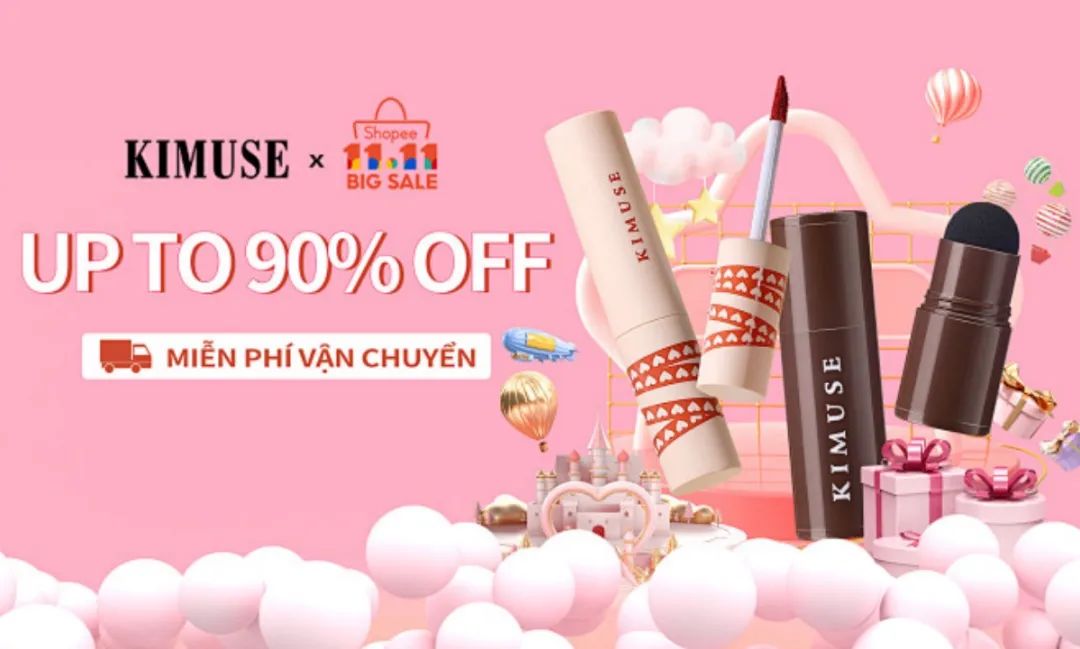 rn
rn
rnFurthermore, the development of online sales channels has also boosted beauty demand. Due to the young demographic structure, Indonesia's internet penetration rate for online channels is as high as 79.5%. Currently, Indonesia has multiple e-commerce platforms such as Shopee, TikTok, Blibli, and Lazada. With the popularity of e-commerce platforms, Chinese beauty brands are facing unprecedented development opportunities. rnrn02 Trade Policies, Halal Certification... Passports to the Indonesian MarketrnrnFor Chinese beauty brands and enterprises planning to go global, understanding Indonesia's trade policies is crucial for successfully entering the market and achieving long-term development. rnrnIn recent years, Indonesia has adjusted its import tariff policies multiple times, gradually lowering the duty-free threshold from $100 to $75, then to $3, and in 2021 imposed restrictions on 13 major categories (including apparel, cosmetics, and luggage) of cross-border goods. rnrnIn June this year, according to reports from Reuters and other foreign media, Indonesia announced it would impose safeguard tariffs of 100% to 200% on imported products such as cosmetics, footwear, clothing, textiles, and ceramics to strengthen protection for domestic industries. Subsequently, to balance domestic demand, Indonesia exempted cosmetics arriving at Indonesian ports from requiring import permits (PI), only requiring an Import Supervision Report (LS) and an Import Customs Declaration (SKI) for customs clearance. rnrnrn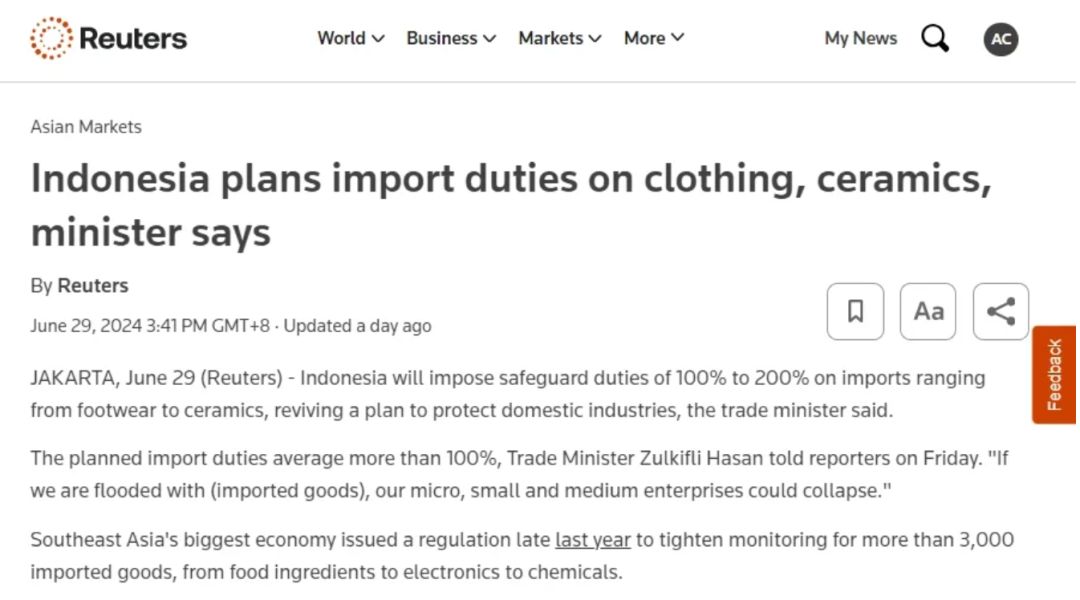 rn
rn
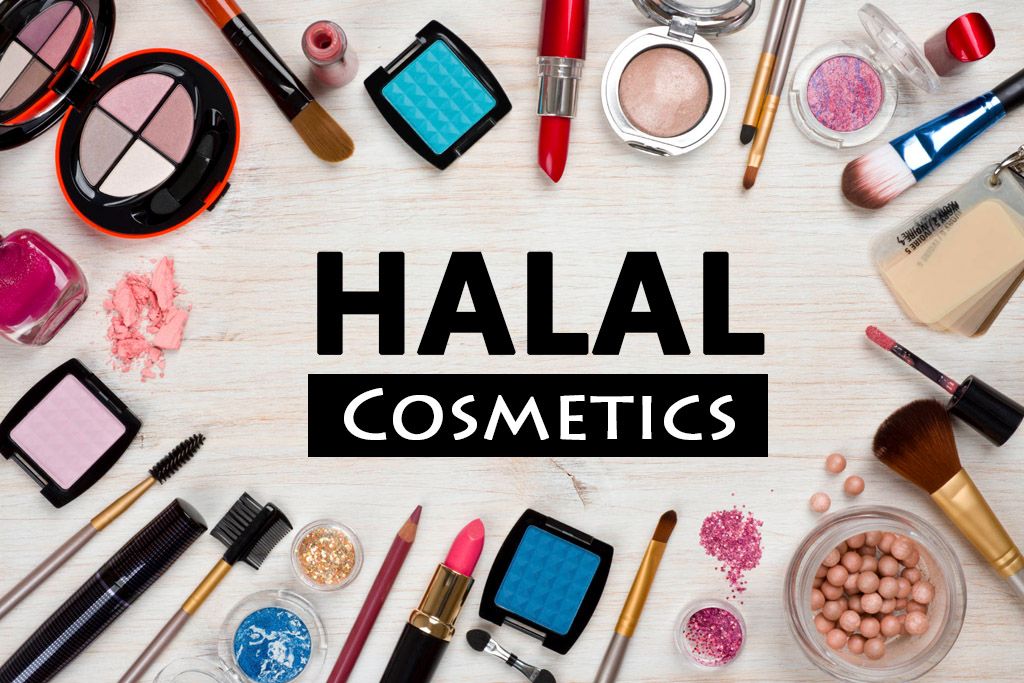
rnAt the same time, Muslim-majority countries like Indonesia have made Halal certification a mandatory threshold for cosmetic imports, ensuring products comply with Islamic law so Muslim consumers can use them with confidence. In short, Halal certification is a passport for products entering the Muslim consumer market. rnrnrn rn
rn
rnTaking Indonesia as an example, starting from October 2024, all food, beverages, medicines, cosmetics, chemicals, biological and genetically modified products (except those on the exemption list) must obtain Halal certification within a specified time before being exported to Indonesia. rnrnFor Chinese cosmetics companies, to break into the Indonesian market, they must not only understand local trade policies and comply with local laws but also plan for Halal certification and other related qualifications as early as possible. rnrn03 In-depth Matching, Themed Study Tours... A Precision Matchmaking Event is ComingrnrnOn August 12, the China-Indonesia Beauty Business Matchmaking Conference, hosted by China Beauty Network and co-organized by the Indonesia Cosmetics Association and Shanhaimu, will officially launch at the Pullman Hotel in Jakarta. As a global beauty industry chain collaboration platform, China Beauty Network has keenly recognized the opportunities in Indonesia's cosmetics industry. rnrnAt that time, over 1,000 people from the beauty industry, including brand owners, manufacturers, raw material suppliers, packaging material suppliers, distributors, and service providers from both China and Indonesia, will gather to explore new growth opportunities in the beauty industry, promoting long-term, stable, and mutually beneficial development of the beauty industry in China and ASEAN. rnrnThis matchmaking conference will revolve around three major segments: hot topic sharing, in-depth business matching, and themed study tours, aiming to provide participants with a diverse and content-rich exchange experience. rnrnrn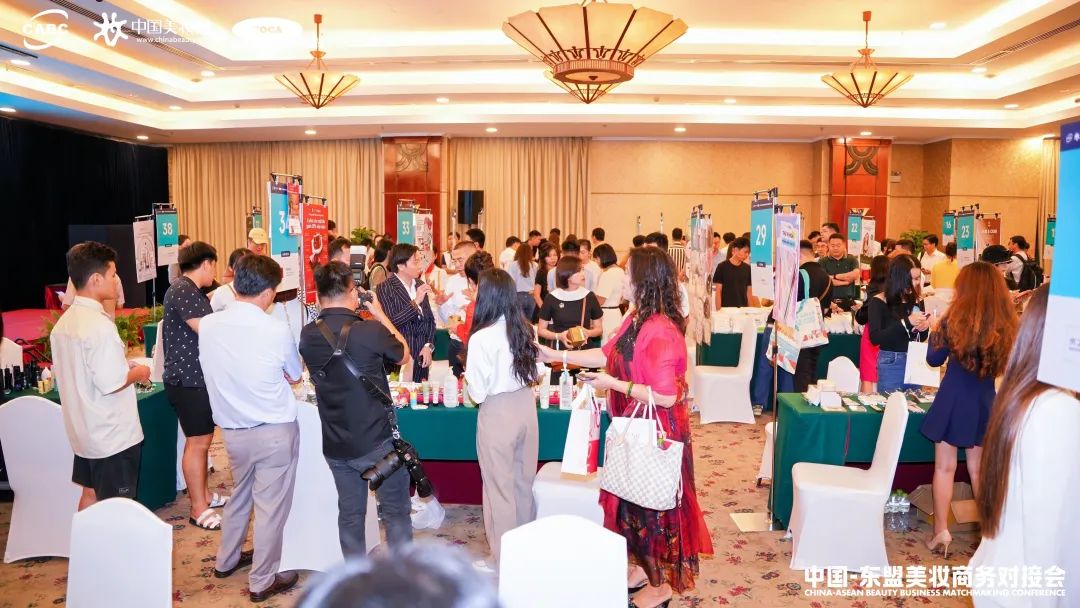 rn
rn
rnThe business matching will bring together companies from both China and Indonesia in skincare, color cosmetics, personal care, beauty tools, OEM manufacturers, packaging materials, and raw materials, providing the most direct and effective platform for display and exchange. Participating companies can not only convey their needs face-to-face and find solutions but also explore more cooperation opportunities. rnrnrn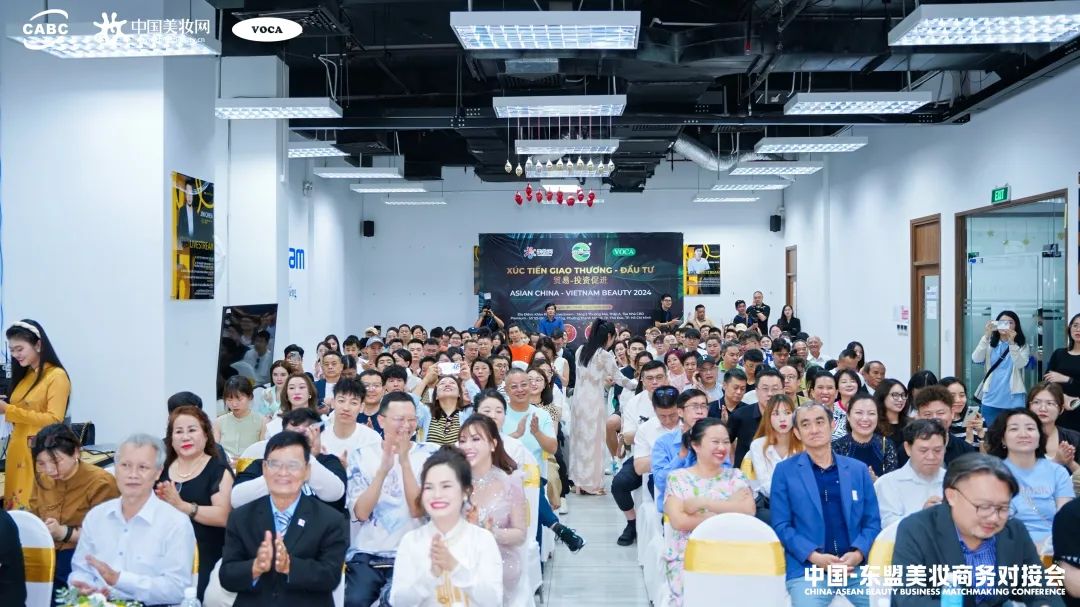 rn
rn
rnThe study tour will lead companies on in-depth visits to Indonesian cosmetics factories, brand owners, distributors, and local service providers. Through on-site inspections, participants will gain a deeper understanding of the current state and potential of the Indonesian market, providing more specific, in-depth, and effective references and insights for cooperation between companies from both countries. rnrnThe China-Indonesia Beauty Business Matchmaking Conference is about to begin. More high-quality overseas resources and new cooperation opportunities are on the horizon. Stay tuned. rnrnrnrnrn[caption id="attachment_2516" align="aligncenter" width="466"] This matchmaking conference adopts a fixed quota and targeted invitation format to precisely match resources for attendees. Companies interested in exhibiting, please scan the QR code below for inquiries.[/caption]rn
This matchmaking conference adopts a fixed quota and targeted invitation format to precisely match resources for attendees. Companies interested in exhibiting, please scan the QR code below for inquiries.[/caption]rn